
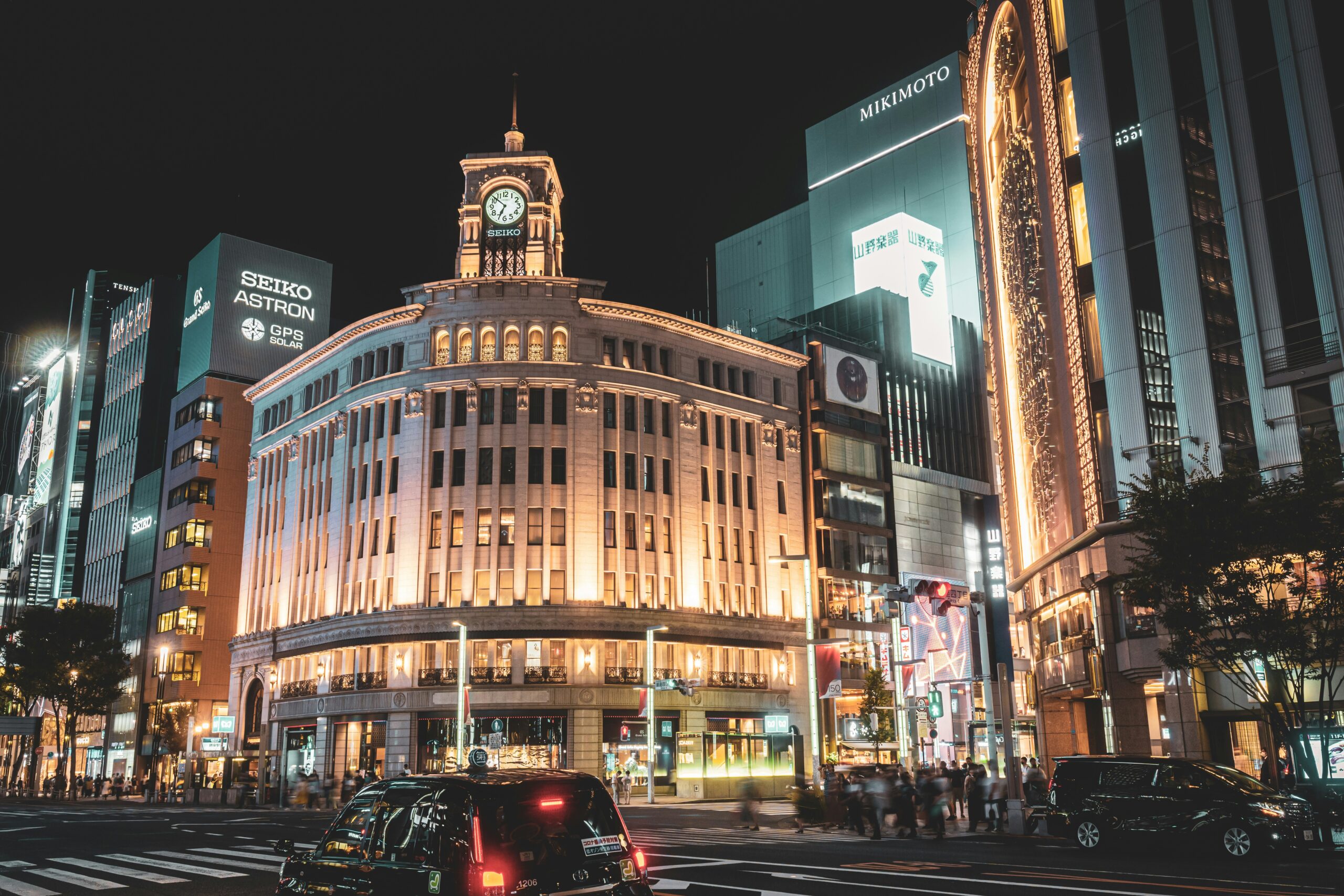
Ginza is not merely Tokyo’s most refined commercial district. For chefs, it is a stage—one that demands not only technical mastery, but a fully formed philosophy.
Its origins date back to the early 17th century, more than 400 years ago, when the Tokugawa shogunate established a silver mint in the area—giving rise to the name “Ginza,” literally meaning “silver guild.” As a place tied to currency, the district quickly became synonymous with trust and prestige. By the late 19th century, following Japan’s opening to the West, Ginza transformed into one of the country’s most modern urban centers, lined with brick buildings and gas lamps. From the outset, it has been a place where tradition and innovation coexist.
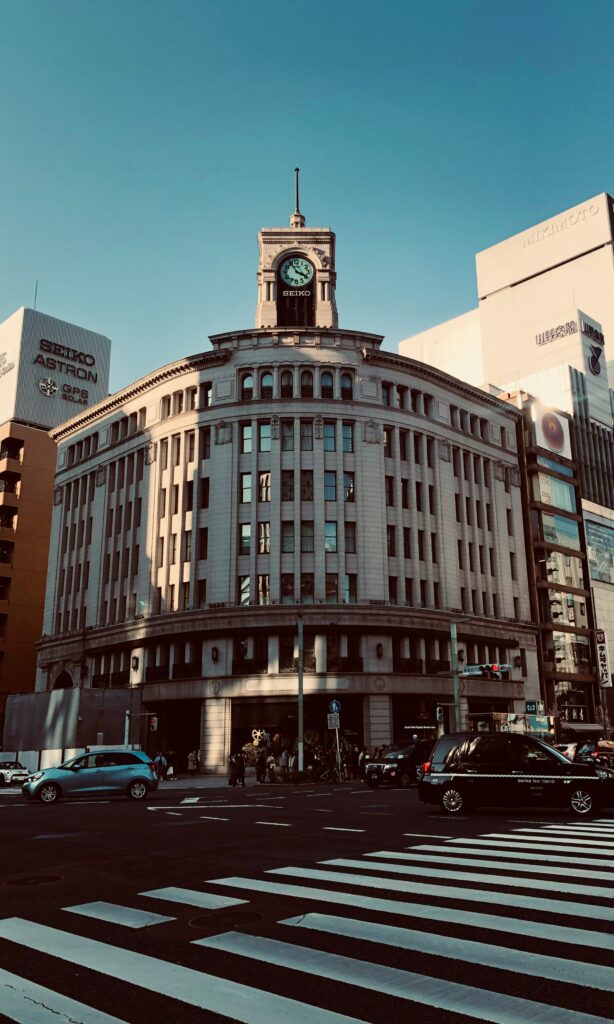
This duality profoundly shapes its culinary culture. To open a restaurant in Ginza is not simply a matter of skill. It requires an understanding of deeply rooted aesthetics, the discipline to quietly exceed expectations, and the ability to earn enduring trust. Reputation here is not given—it is accumulated over time, and tested continuously.
What distinguishes Ginza from other districts in Tokyo is its role as a “public stage.” Roppongi thrives on international energy and freedom. Shinjuku pulses with diversity and accessibility. Azabu offers privacy and understated elegance. Ginza, by contrast, operates under a different tension: visibility. Its prominence demands consistency, and its standards are unforgiving. To sustain a presence here is, in itself, a mark of distinction.
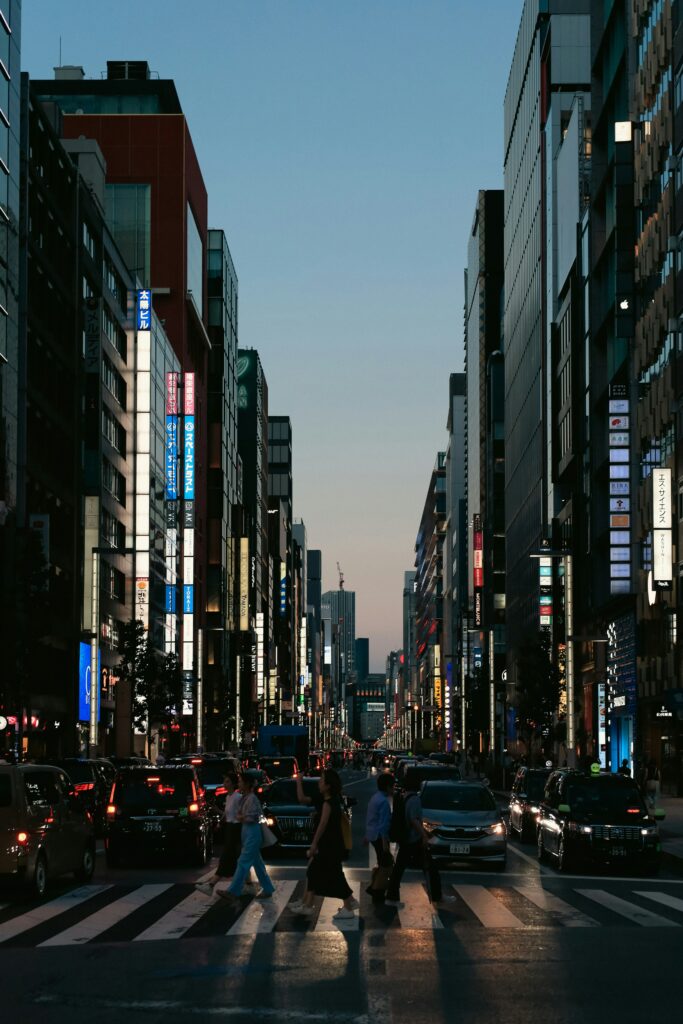
Within this environment, Japanese cuisine—particularly sushi, kaiseki, and kappo—has found one of its highest expressions. Ginza has long been regarded as a pinnacle of washoku, not merely because of access to exceptional ingredients, but because of the cultural literacy of those who dine here.
Dining in Ginza is not transactional. It is interpretive.
The selection of ceramics, the angle of a knife, the clarity of a dashi, the subtle articulation of seasonality—these are not incidental details, but deliberate expressions. They are read, understood, and appreciated in silence. What emerges is a quiet dialogue between chef and guest, one that elevates the experience beyond taste alone.
Many of Ginza’s finest establishments are intentionally intimate, often centered around a small counter. Here, distance dissolves. Each piece of sushi, each course, is served within a shared field of awareness. The result is a density of experience—something both precise and ephemeral—that is difficult to replicate elsewhere.

For chefs, Ginza represents both an arrival and a passage. Some establish their legacy here; others, having proven themselves, move on to pursue more personal expressions elsewhere. Yet in either case, time spent in Ginza becomes a defining chapter—one that shapes not only reputation, but identity.
To dine in Ginza is to engage with more than cuisine. It is to encounter history, discipline, and a way of thinking distilled into form. When attention shifts from what is being served to why it is served that way, the essence of Ginza begins to reveal itself.
Ginza is not simply a place to eat. It is a place to understand.