
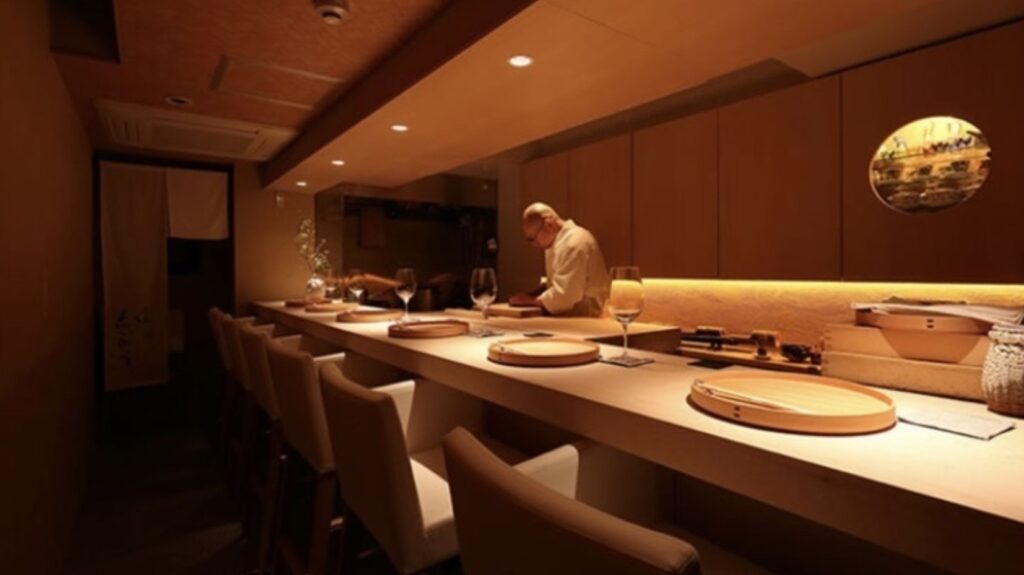
Oryori Shibuu
Ginza
Dinner
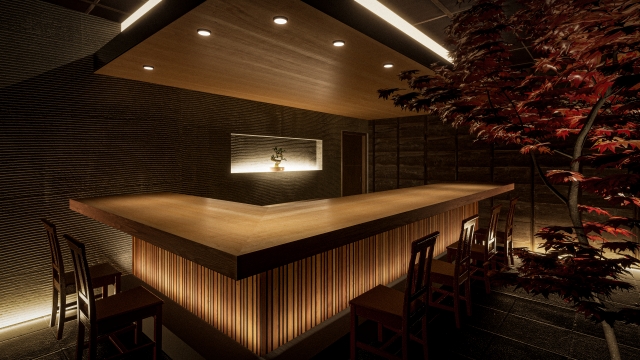
7 counter seats · No private rooms
Chef
Shibuya Kenichi
The Beginning
To be honest, I didn’t set out to become a chef from the beginning.
In high school and at vocational school, I studied architecture. At the same time, I was working part-time at an izakaya in the evenings—and I found myself enjoying it so much that I decided to join the restaurant full-time after graduating.
At that time, we were serving dishes like mapo tofu and shrimp chili using pre-made sauces, simply heating them before serving. One day, I caught myself wondering, how are these dishes actually made?
So I bought a cookbook and tried making them from scratch. To my surprise, I found the process incredibly engaging. That was the moment I realized—I wanted to step into a world where I could truly create dishes like these. And that’s when I made the decision to pursue a career in cooking.
The Chef’s Journey
The first head chef I worked under was trained at Harisei, a long-established traditional restaurant in Kyoto. I was deeply drawn to his presence and character, and it was through him that I began to pursue the path of a chef in earnest.
Harisei was so sought-after that aspiring chefs often had to wait years for an opportunity to train there. But rather than waiting, I wanted to learn in a working kitchen as soon as possible, so I began my training at Asada, a traditional ryōtei (a refined, high-end Japanese dining establishment) in Akasaka, Tokyo. I was fortunate to be taken under the wing of the head chef, and later went on to serve as head chef myself at a restaurant owned by the okami—the proprietress who oversees hospitality and operations in such establishments.
After that, I moved overseas. In Hong Kong, I worked at a sushi and Japanese restaurant located on the top floor of Times Square, and I later gained further culinary experience in London as well.
Upon returning to Japan, I became head chef at a restaurant specializing in wine kaiseki—a style of traditional multi-course Japanese cuisine thoughtfully paired with wine. I then spent about six years refining my skills as an itamae (a chef specializing in Japanese cuisine, often working at the counter) at Kyōryōri Ōtani. Serving many business leaders and figures from the cultural world, it was an environment that greatly broadened my perspective as a chef.
Even now, I still look forward to my visits to the market. At places like Tsukiji Outer Market and Toyosu Market, I have the chance to encounter chefs I deeply respect, as well as discover new and inspiring ingredients.
And above all, I remain truly grateful to the guests who have continued to visit us since the very beginning.
Philosophy of Taste
I have a guiding principle in my cooking:
to take ingredients that are available to anyone, and present them through techniques that no one else can replicate.
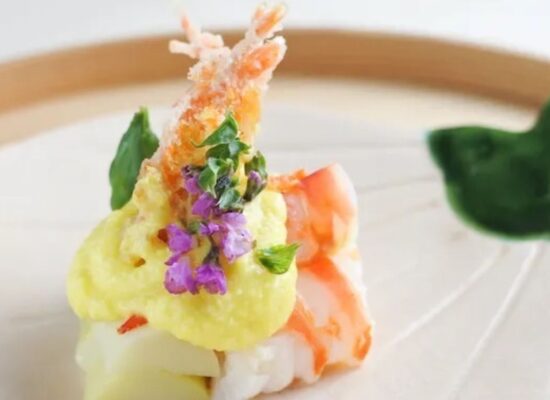
My dishes always begin with seasonal ingredients. But simply serving what is in season is not enough. To truly bring out their character, I make a conscious effort to present them in ways that differ from other restaurants.
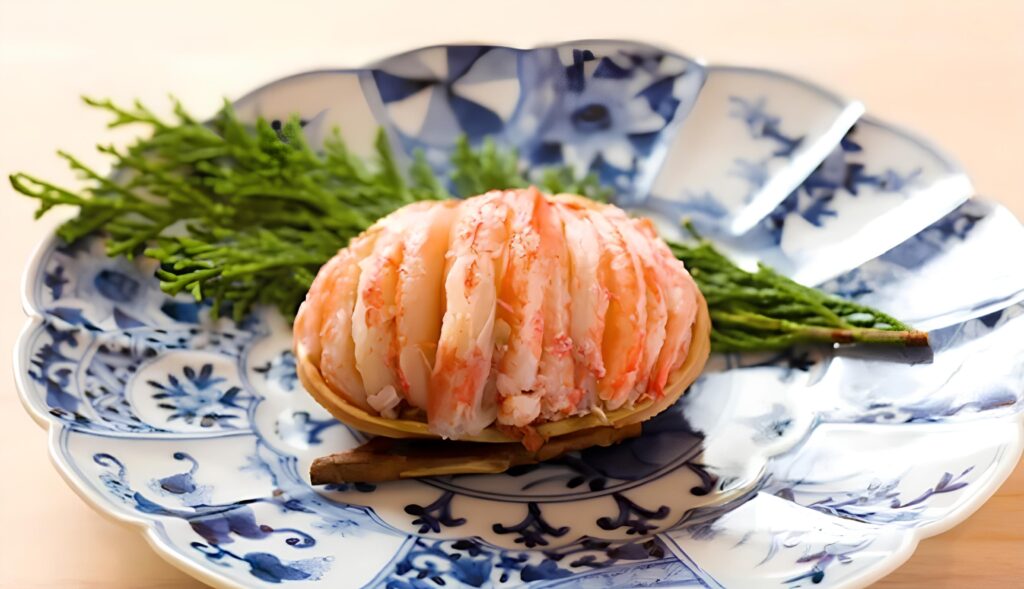
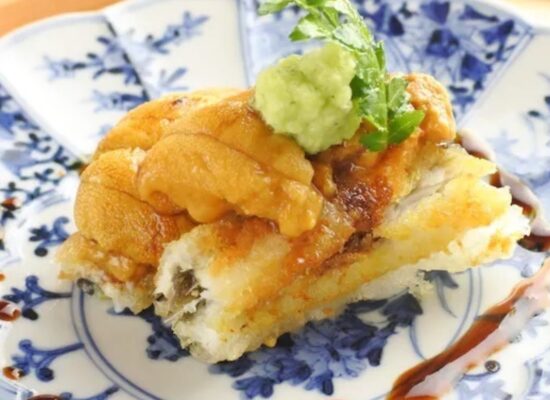
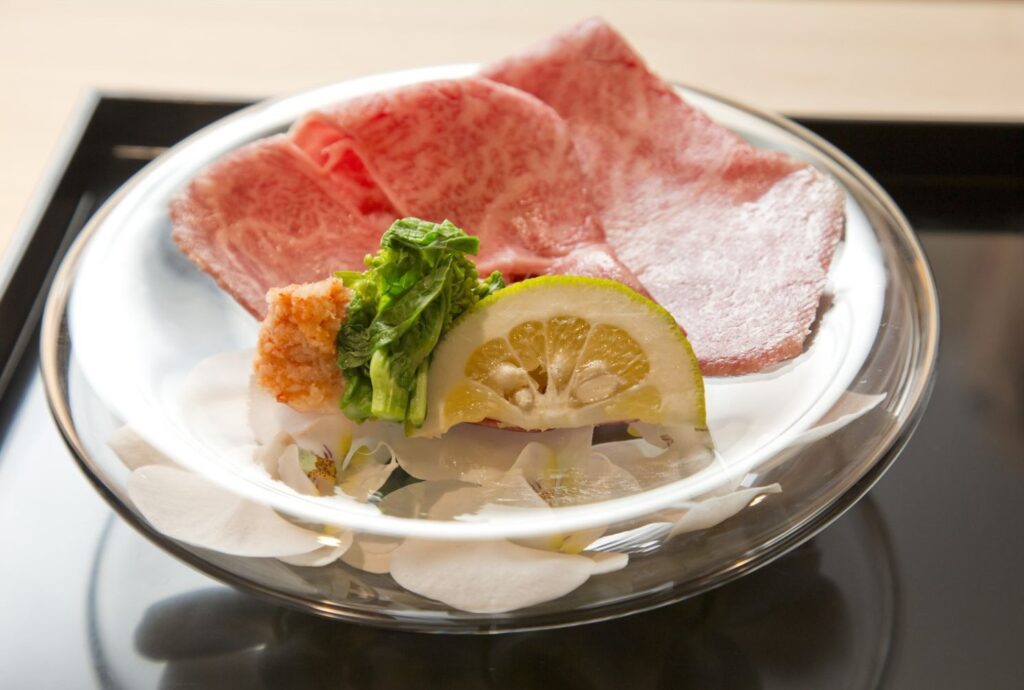
For example, shirako (the delicate milt of pufferfish) is often grilled, but here I slice it thinly and incorporate it into the dish, expressing its flavor as a more refined, almost ethereal umami. Rather than adhering to established formats like sushi or tempura, I value exploring new forms of expression within the framework of Japanese cuisine.
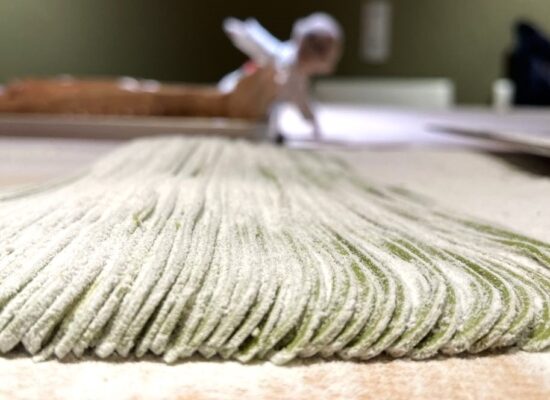
Soba also holds a special place for me. I am particular even about the milling process, commissioning a custom stone mill exclusively for our restaurant. With standard mills, there is a risk of other flours being mixed in, so this was essential to achieve a truly pure, 100% buckwheat soba.
As for sake, we serve only selections from Kirinzan. I have maintained a long-standing relationship with the brewery, and together with the toji (master brewer) and the president, we carefully select five exceptional varieties. At times, I even travel to Niigata to take part in rice planting, and they have created exclusive labels just for our restaurant.
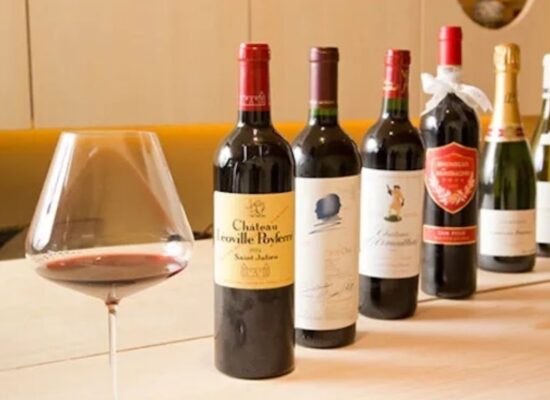
For wine, I hold a sommelier certification and personally travel to France to source each bottle with a discerning eye. I hope you will enjoy a level of pairing—between cuisine and drink—that can only be experienced here.
Beyond the Kitchen
I make it a point to do strength training to stay healthy—physical stamina is essential in this profession.
And if I had to name a favorite food, it would undoubtedly be soba. On mornings when I visit the market, I always begin the day with a bowl.
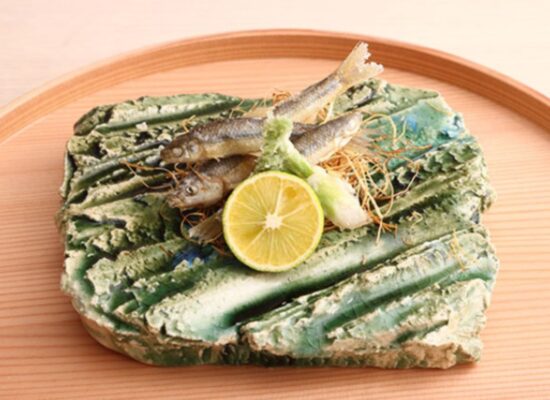
I also have a deep appreciation for tableware. I’ve been gradually collecting pieces that enhance the presentation of my dishes—such as Edo Kiriko and ceramics in shades of green that bring out the beauty of the cuisine.
Design and Ambience
The interior is a quiet, purely Japanese space. At the counter, we use a single, հաստ slab of hinoki cypress, left unprocessed to preserve its natural texture and warmth—you can feel the character of the wood as it is.
Seasonal plants and flowers are woven into the space, and at times we display ikebana (the traditional Japanese art of flower arrangement). On the walls, we hang tenugui—decorative cloths—featuring seasonal floral patterns, allowing even subtle changes to reflect the passing of the seasons.
Beyond the cuisine itself, I hope guests will enjoy the entire experience—the space, the conversation, and the floral arrangements—as a moment to be savored in its entirety.
Future Vision
“In March 2026, I will be opening a new restaurant called Bar Soba Koshibu in Shintomicho, on the eastern side of Ginza, Tokyo. It will be a place where soba can be enjoyed in a more free and unconventional way.
As people grow older, it’s easy to become set in one’s ways. But the chefs I truly admire—those who continue to stand in the kitchen for decades—are often the most quick-minded and open to new ideas.
That’s the kind of chef I aspire to be. When I come across something I believe is good, I try it immediately and look for ways to incorporate it into my cooking.
Sometimes, I’ll purchase an ingredient simply because a trusted fishmonger insists, “This is exceptional—you have to try it.” By working with ingredients I might not have chosen myself, entirely new dishes can emerge.
Even at 70 or 80, I hope to still be standing in the kitchen, continuing this pursuit.
To Our Guests
Above all, I want my guests to enjoy themselves.
At our restaurant, there will always be at least one dish you won’t easily find elsewhere. I hope you’ll take pleasure in those moments of surprise and discovery.
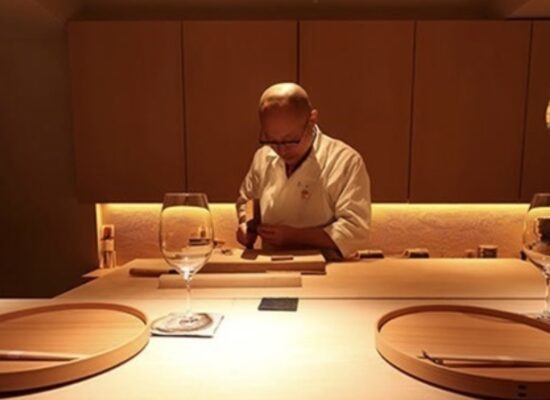
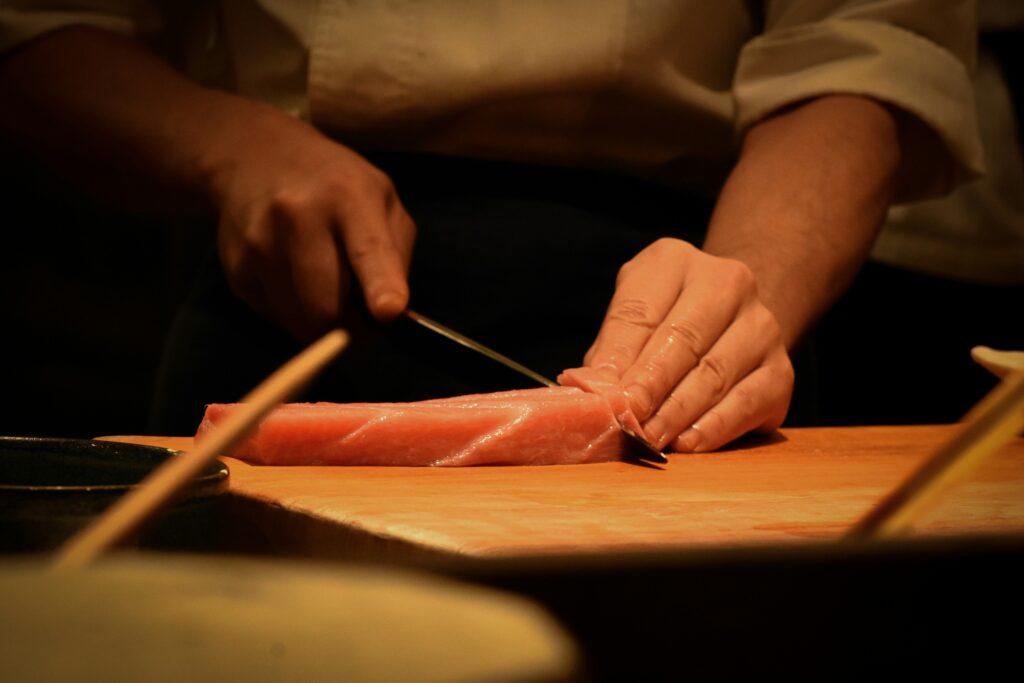
I enjoy speaking with people, which is why the counter is designed for face-to-face interaction. It allows guests to see every movement of the cooking process right in front of them.
Beyond the food itself, I hope that the conversations—and the time spent here—will become a lasting memory
Why It’s Worth Your Time
A destination best suited for those who seek to explore the true depth of Japanese cuisine.
Guided by the philosophy of “ingredients anyone can source, prepared in ways no one else can replicate,” each dish brings a fresh and unexpected expression to seasonal ingredients. The chef’s warm and welcoming personality naturally draws people in, creating a sense of quiet harmony at the open-kitchen counter.
From the 100% buckwheat soba, freshly milled on a custom stone mill, to inventive dishes that move beyond the conventional boundaries of Japanese cuisine, every detail reflects the restaurant’s distinctive character. Paired with refined selections of sake from Kirinzan—crafted through a close relationship with the brewery—and wines personally curated by the chef, a certified sommelier, the experience offers a journey filled with discovery and delight.
Restaurant Information
Location
Senriken Building B1F, 2-4-19 Ginza, Chuo-ku, Tokyo, Japan
Access
1-minute walk from Ginza-itchome Station (Tokyo Metro Yurakucho Line)
3-minute walk from Ginza Station (Tokyo Metro Hibiya Line, Exit B4, Namiki-dori)
2-minute walk from Ginza Station (Tokyo Metro Marunouchi Line, Exit C8, Namiki-dori)
Hours
6:00 PM – 9:00 PM
Irregular holidays
Payment
Credit cards accepted: VISA / MasterCard / JCB / American Express / Diners Club / DC / UC / UFJ / NICOS / SAISON
E-money not accepted
Service Charge
10%
Seating
7 counter seats / No private rooms
Smoking
Non-smoking throughout
Children
Not permitted
Pets
Not permitted
Dress Code
To ensure all guests can fully appreciate the delicate aromas of Japanese cuisine,
we kindly ask that you refrain from wearing strong fragrances or perfume.
Choose Your Experience
Please note that the menu may change to reflect the freshest seasonal ingredients available.
Reservations made through Japan Vision Dining include a personal request to the chef for seating that offers a close view of the craft, subject to availability.
Dinner Omakase Course
JPY 56,000 (tax and service charge included)
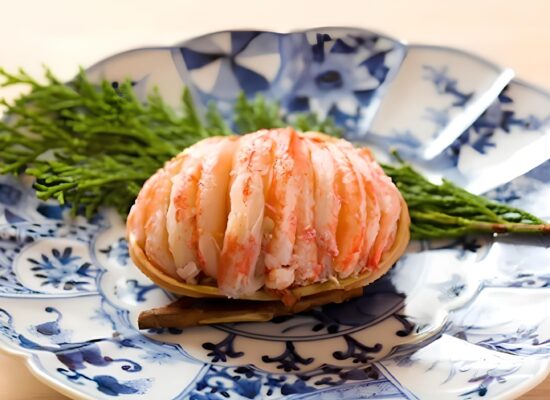
An omakase course in which seasonal ingredients are expressed through the chef’s distinctive and highly original techniques. Guided by the philosophy of “ingredients anyone can source, prepared in ways no one else can replicate,” each dish reveals a new and unexpected dimension of the season.
From the 100% buckwheat soba, freshly milled on a custom stone mill, to inventive creations that transcend the conventional boundaries of Japanese cuisine, every course reflects the restaurant’s singular character. Paired with exceptional sake from Kirinzan and wines carefully selected by the chef—a certified sommelier—the experience offers a refined journey through Japanese cuisine, filled with discovery and delight.
The menu evolves with the seasons, as it is crafted around the finest ingredients available at their peak.
Japan Vision Dining
A Private Experience, Tailored to You.
An entire restaurant, opened solely for you.
Engage directly with a master chef as each dish reveals the depth of Japanese cuisine.
A level of intimacy and access rarely available to the public.
Discover the story behind the master.