
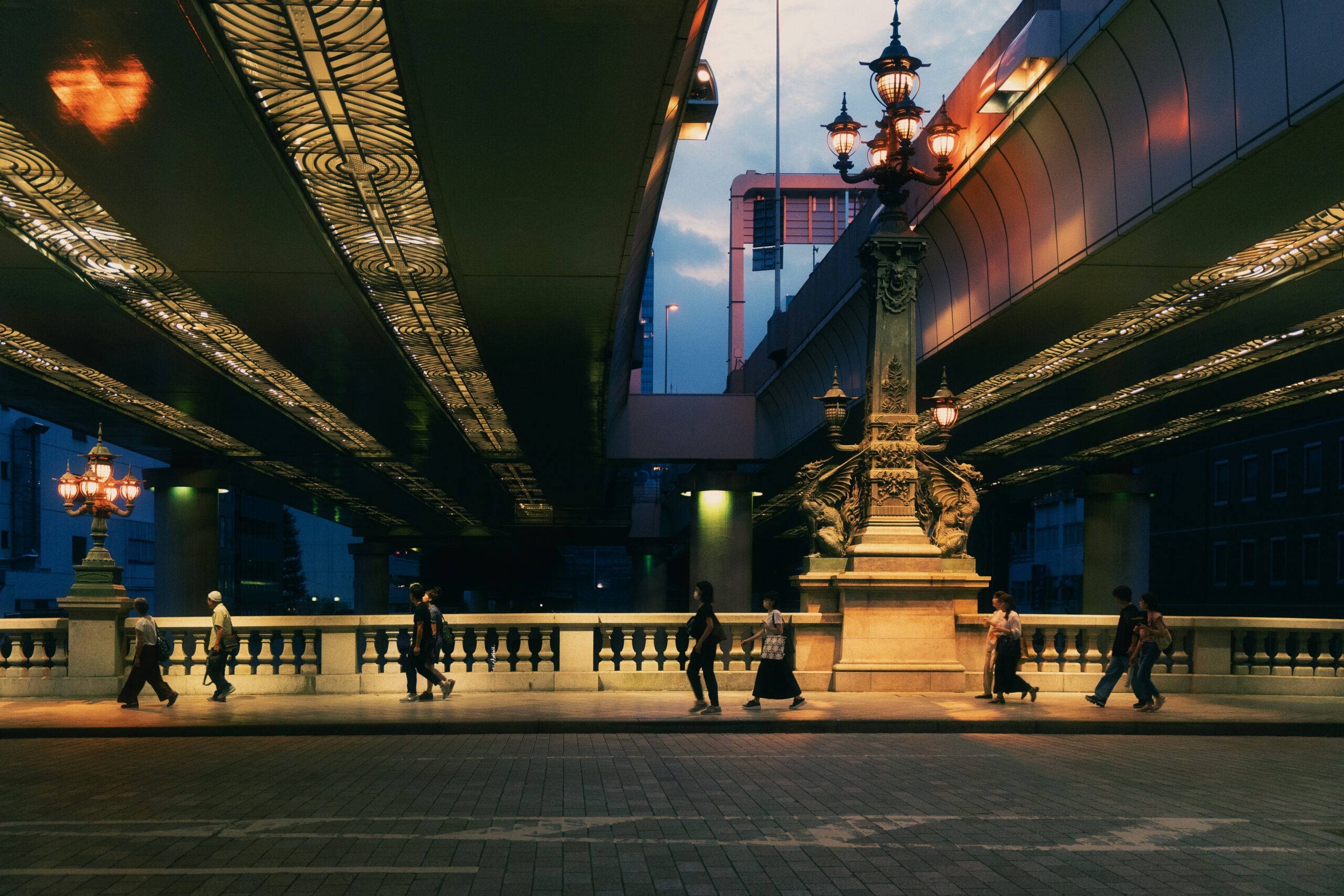
Introduction: Where True Sushi Lives in Tokyo
For travelers seeking authentic, refined, and genuinely Japanese sushi, the question is not only which restaurant, but which neighborhood. In Tokyo, sushi culture is deeply shaped by geography, history, and the daily rhythms of each district. This guide introduces where truly accomplished sushi restaurants tend to cluster, why they emerged there, and how to choose the right area—and counter—for your travel style.
What Defines a Truly Authentic & Refined Sushi Restaurant?
Before exploring districts, it helps to understand the quiet criteria Japanese diners use to judge sushi quality:
- Counter-focused dining: Small counters (often 6–10 seats) where the chef serves directly.
- Seasonality over variety: Menus change subtly with the seasons rather than offering endless options.
- Restraint and balance: Flavor harmony matters more than luxury ingredients alone.
- Local, repeat clientele: Restaurants sustained by regular Japanese guests, not only tourists.
- Discretion over display: Minimal signage; reputation travels by word of mouth.
With these benchmarks in mind, let us explore Tokyo by area.
Ginza: The Capital of Edomae Sushi
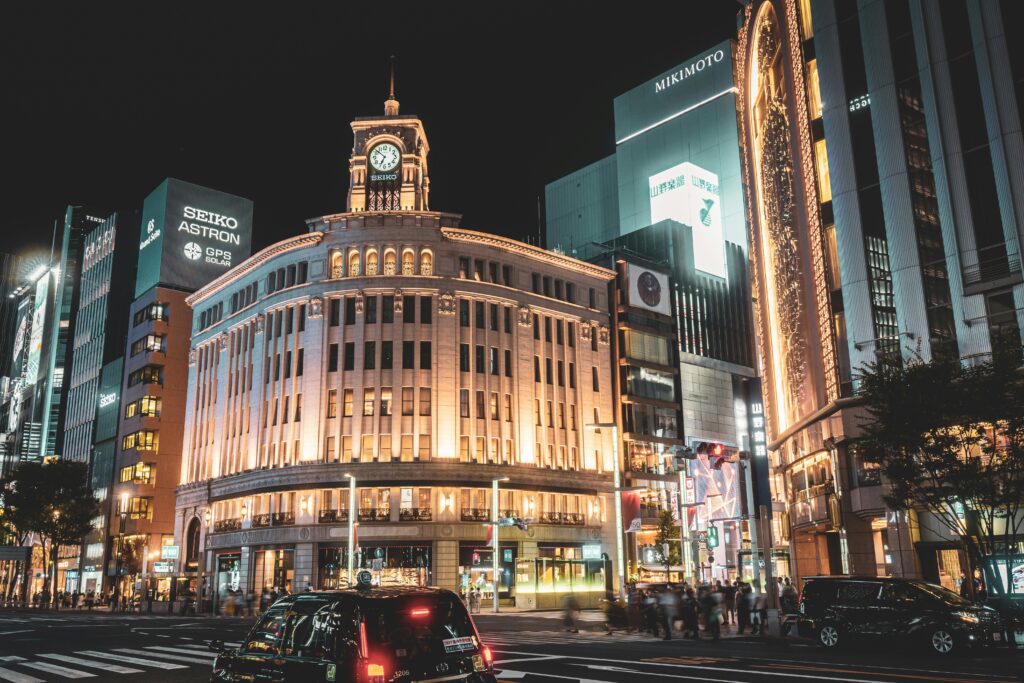
Character
Ginza is widely regarded as the spiritual and technical center of Edomae sushi—the Tokyo-born style emphasizing aging, curing, and precision.
Historical Context
Once adjacent to Edo-period fish markets, Ginza evolved alongside Tokyo’s commercial elite. Sushi here became a refined craft aligned with business etiquette and quiet luxury.
Sushi Style
- Meticulously prepared neta (toppings)
- Subtle seasoning; rarely flamboyant
- Strong emphasis on tradition and lineage
Access from Tokyo Station
- Taxi: 5–10 minutes
- Train: JR Yamanote Line to Yurakucho (1 stop) + short walk, or Tokyo Metro Marunouchi Line to Ginza Station (approx. 2 minutes).
Best For
- First-time visitors seeking “classic” sushi
- Business travelers and connoisseurs
- Guests who value formality and precision
Nihonbashi: Where Sushi History Began
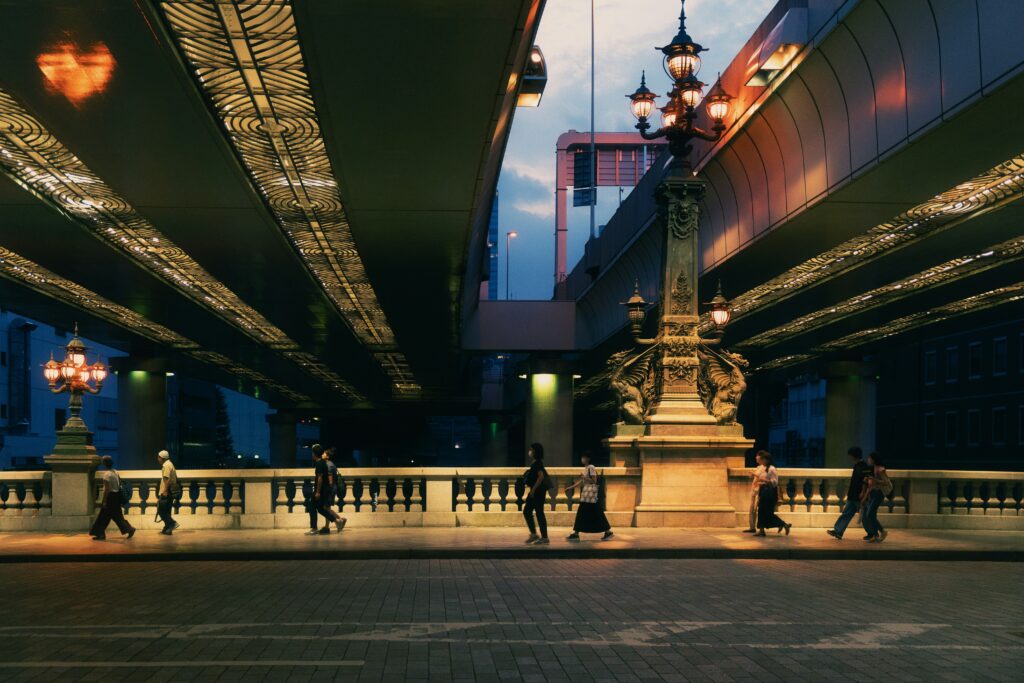
Character
More understated than Ginza, Nihonbashi is deeply historical and intellectually rich.
Historical Context
This area was the heart of Edo commerce. Many foundational sushi techniques were born here to serve merchants seeking fast yet refined meals.
Sushi Style
- Orthodoxy and simplicity
- Deep respect for historical methods
- Calm, almost scholarly atmosphere
Access from Tokyo Station
- Walk: 10–15 minutes
- Taxi: 5 minutes
Best For
- History-minded travelers
- Repeat visitors to Japan
- Guests who prefer quiet authenticity over glamour
Azabu & Roppongi: International Sophistication
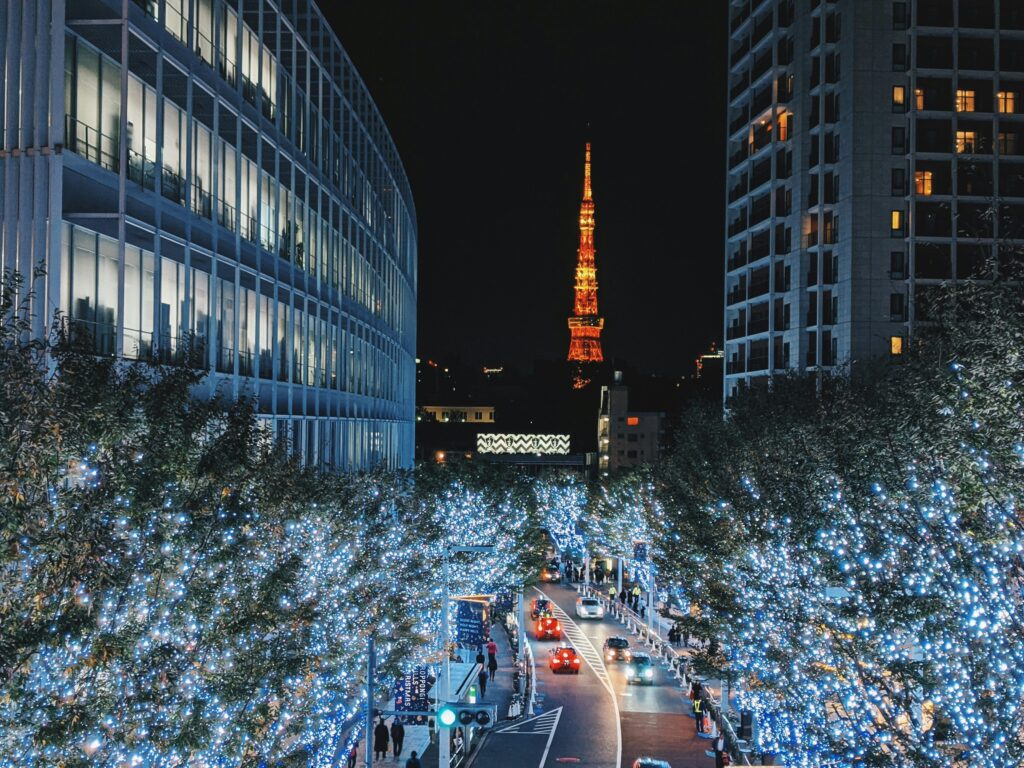
Character
Cosmopolitan neighborhoods blending Japanese excellence with global sensibility.
Historical Context
Long home to embassies and expatriates, these areas nurtured chefs comfortable serving international guests without compromising standards.
Sushi Style
- Traditional base with modern interpretation
- Greater flexibility in pacing and explanation
- English-friendly without being touristy
Access from Tokyo Station
- Taxi: 15–20 minutes
- Train: Marunouchi Line → Hibiya Line
Best For
- First-time visitors nervous about etiquette
- Diners seeking conversation and explanation
- Luxury travelers accustomed to Michelin dining worldwide
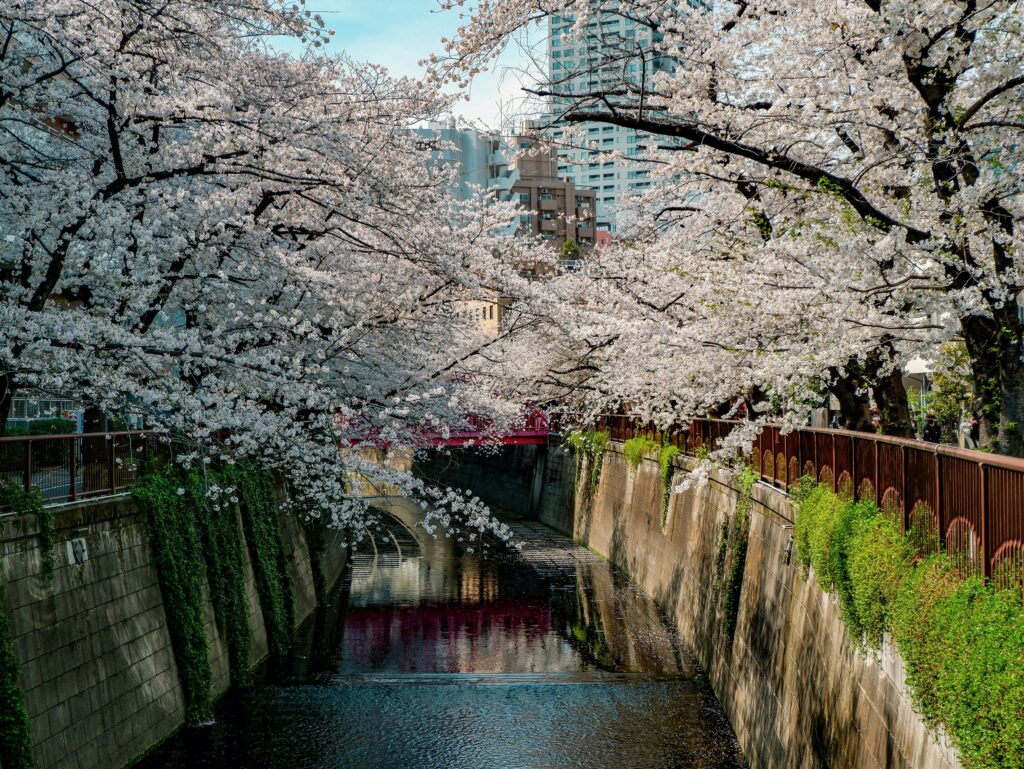
Ebisu & Meguro: The Chef’s Neighborhoods
Character
Refined yet relaxed residential areas where chefs themselves often dine.
Historical Context
Postwar development attracted skilled artisans seeking space away from central congestion.
Sushi Style
- Personal expression within tradition
- Seasonal creativity
- Less rigid, highly intimate
Access from Tokyo Station
- Train: JR Yamanote Line (20–25 minutes)
- Taxi: 20–30 minutes
Best For
- Culinary enthusiasts
- Travelers seeking discovery over reputation
- Guests who enjoy understated excellence
How to Choose the Right Sushi Experience for You
| Your Travel Style | Recommended Area |
|---|---|
| First visit to Japan | Ginza / Azabu |
| Interested in history | Nihonbashi |
| Global luxury traveler | Roppongi / Azabu |
| Repeat visitor, foodie | Ebisu / Meguro |
| Prefers relaxed intimacy | Ebisu |
Final Thoughts: Sushi as a Reflection of Place
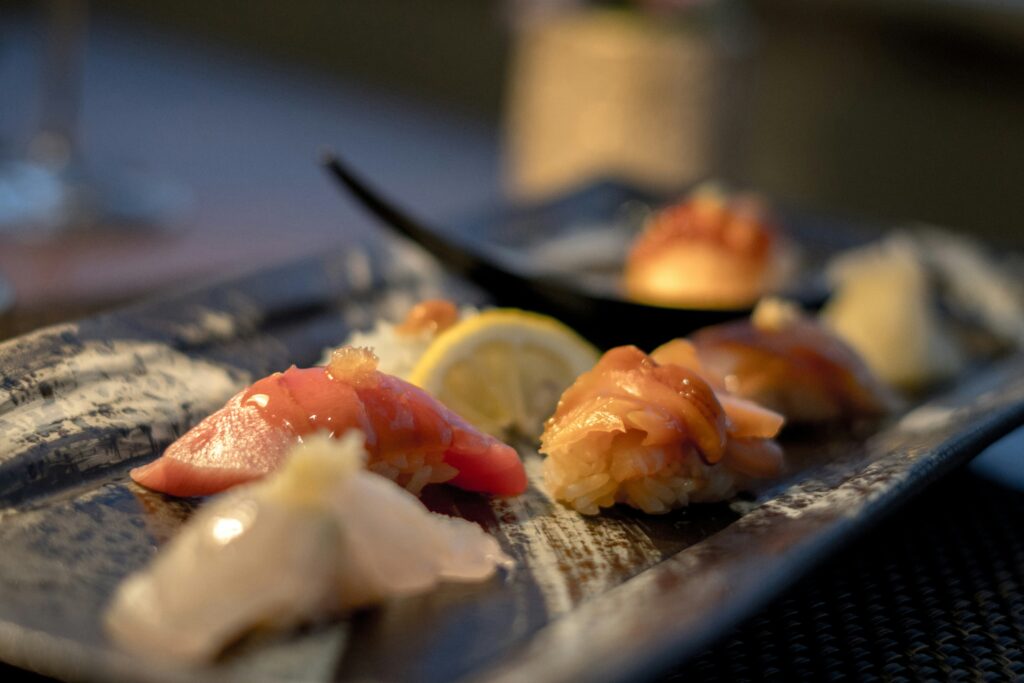
In Tokyo, sushi is never just about the fish.
It is shaped by the neighborhood, the history beneath the streets, and the quiet expectations of those who have dined there for decades. Choosing the right sushi experience, therefore, begins not with a list of “top restaurants,” but with an understanding of place—and of oneself as a traveler.
Whether you are drawn to the formal precision of Ginza, the historical depth of Nihonbashi, the international ease of Azabu, or the understated intimacy of Ebisu, each district offers a different expression of what authentic sushi can be. When the setting aligns with your values, pace, and curiosity, sushi becomes more than a meal—it becomes a memory that quietly stays with you long after you leave Japan.