
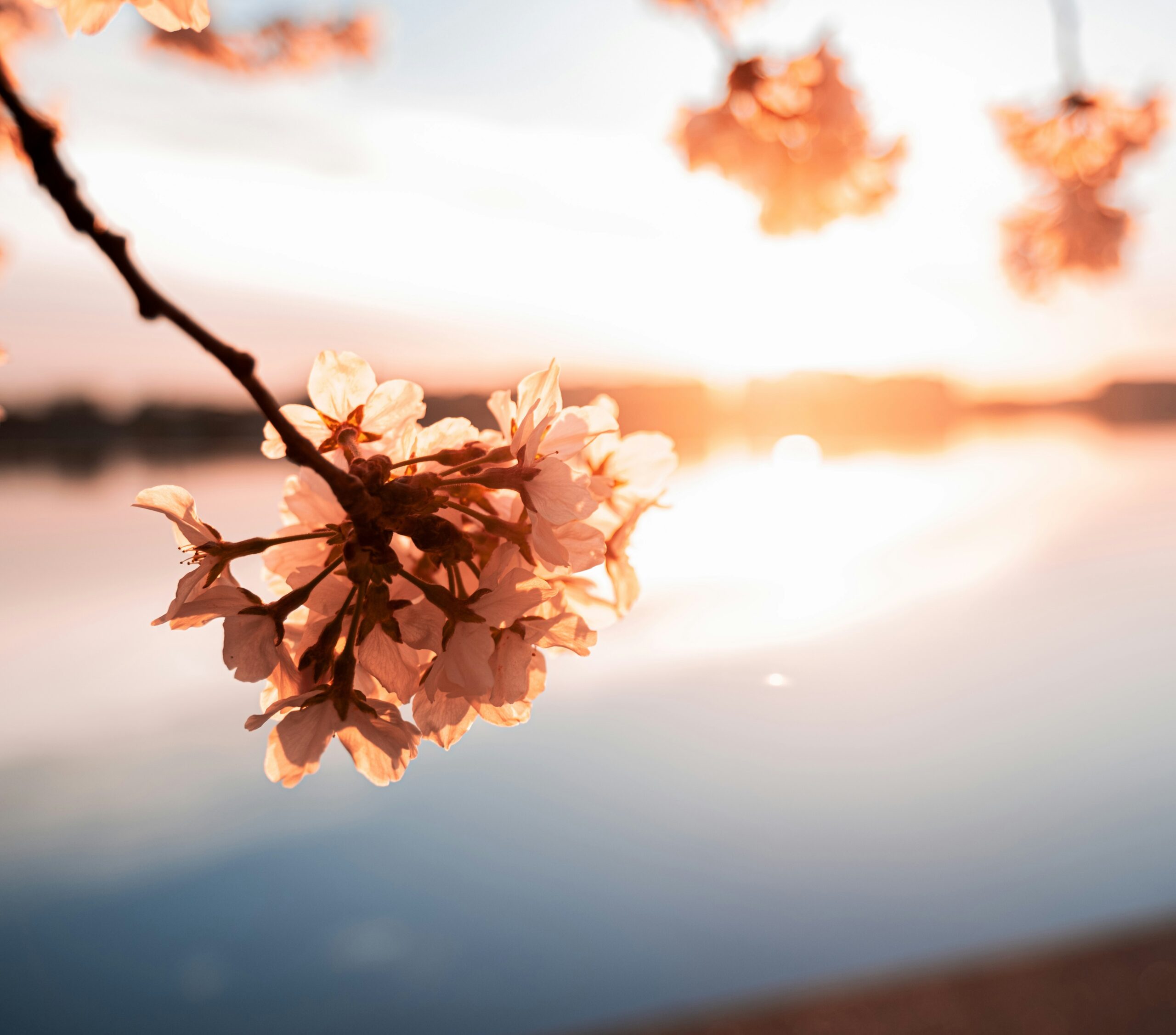
Decoding the Aesthetics of Sakura and the Spirit of Japan
As spring breathes warmth into the Japanese archipelago, the landscape undergoes a breathtaking transformation, draped in a delicate veil of pale pink. To an outsider, the Japanese devotion to cherry blossoms—sakura—might appear as a form of collective fever. Yet, beneath this “enthusiasm” lies a profound, philosophical dialogue with the ephemeral, touching the very essence of the Japanese soul.
A Sacred Lineage: From Deities of the Soil to Courtiers’ Verse
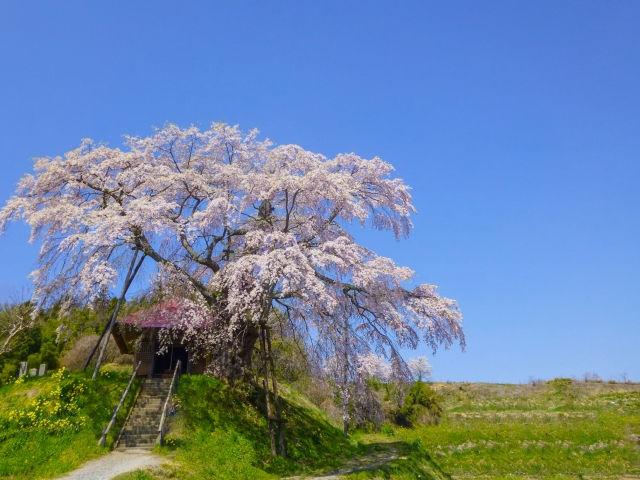
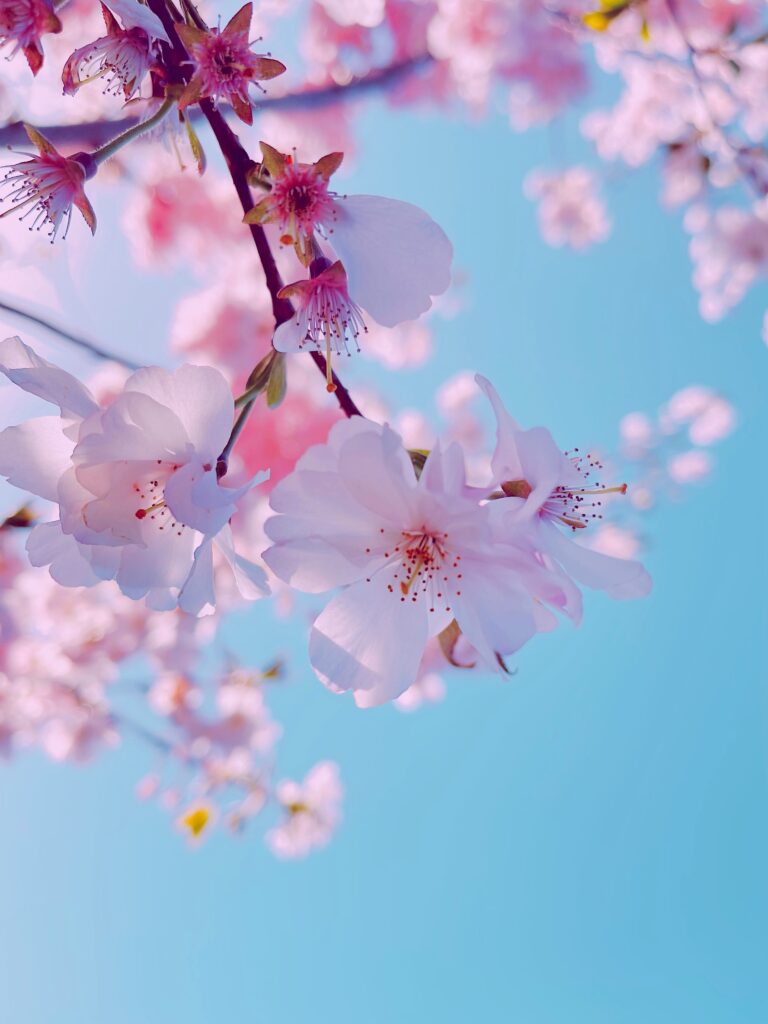
The bond between the Japanese people and the sakura reaches back to the dawn of an agrarian society. In ancient times, the cherry tree was revered as a vessel for the Ta-no-kami (the Deity of the Rice Fields). The prefix sa- referred to this god, while -kura signified a sacred seat. The blooming was more than a spectacle; it was a divine herald of the planting season, prompting farmers to offer sake and feast beneath the boughs in the god’s presence. This is the spiritual genesis of the modern hanami (flower-viewing).
By the Heian period (794–1185), the sakura was elevated into a sophisticated motif for the intellectual elite. While Chinese influence had previously favored the plum blossom for its noble resilience, a distinctly Japanese sensibility began to bloom—one that prioritized subtle emotion and the beauty of transition. It was during this era that the concept of Mono no aware—a poignant pathos for the transience of all things—became the cornerstone of Japanese aesthetics, centered forever on the falling petal.
The Art of the Void: A Metaphor for the Executive Mind
For those who navigate the complexities of global business or the intricacies of art collection, the sakura offers a compelling study in “strategic perfection.” The tree concentrates its entire year’s energy into a single, flawless week of expression, only to relinquish it with absolute grace at the peak of its beauty.
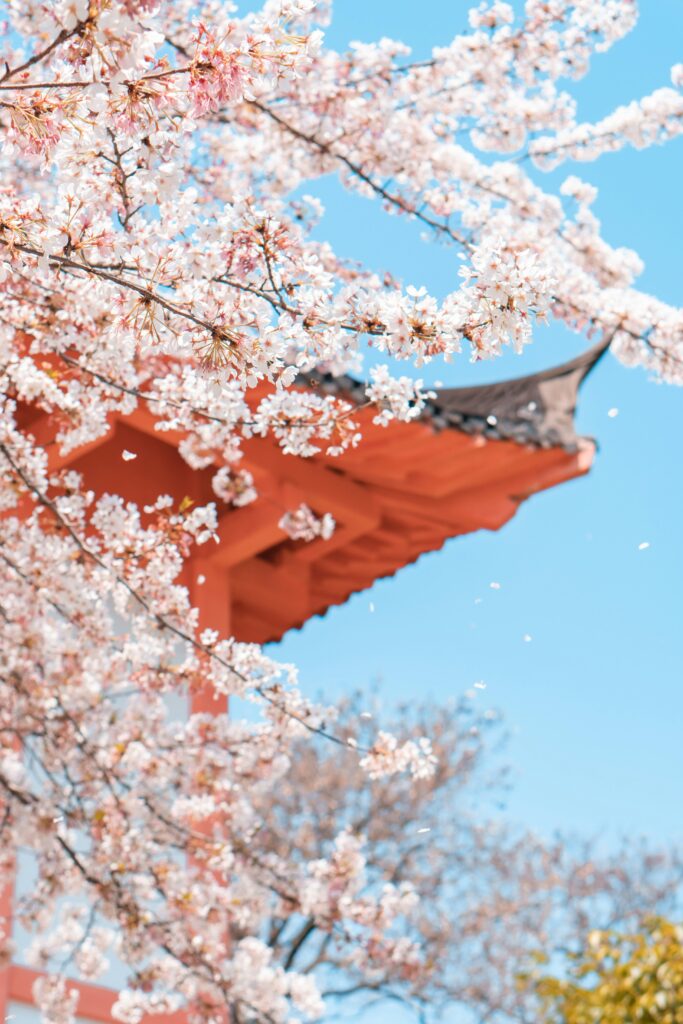
This decisive “scattering” has long informed the Japanese ethos of life and death. The hanafubuki (cherry blossom blizzard) is not viewed as a failure of longevity but as a masterpiece of timing. To the Japanese mind, the beauty is perfected only through its disappearance. It serves as a powerful metaphor for “creative destruction”—the understanding that for new cycles of growth to emerge, one must be willing to let go of the pinnacle of the past.
An Ambassador of Peace: The Sakura’s Global Arc
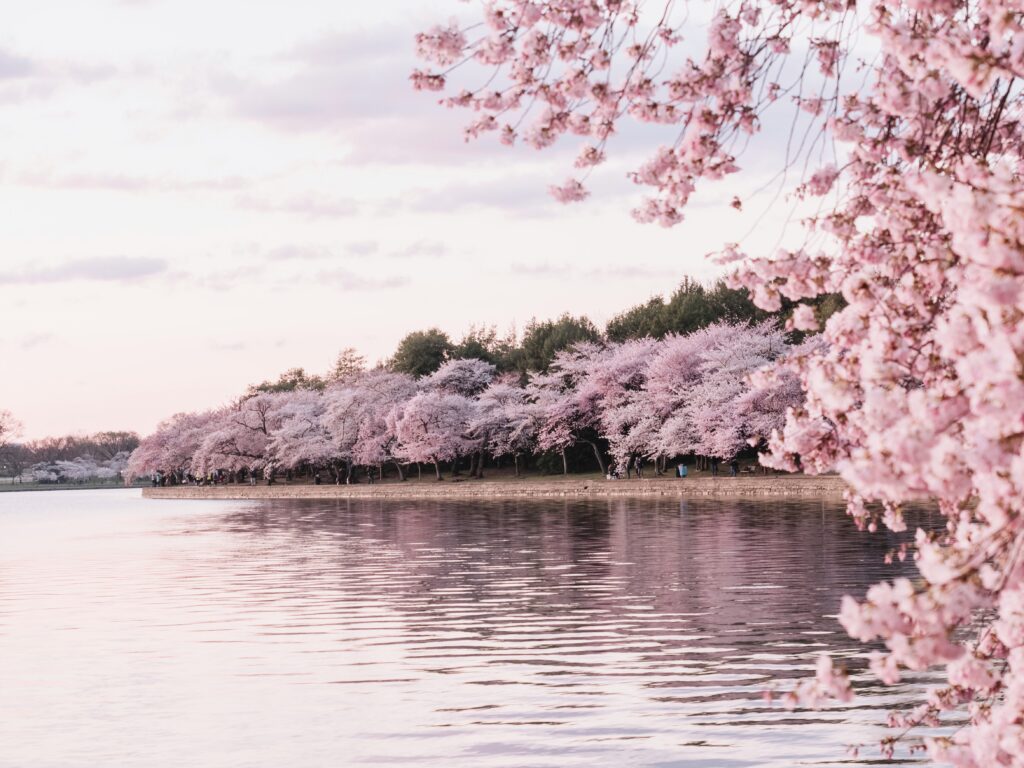
The sakura has long transcended national borders to become a living symbol of international harmony. Perhaps the most celebrated narrative is that of the Tidal Basin in Washington, D.C. In 1912, a gift of 3,000 trees from the Mayor of Tokyo took root in American soil. Despite early challenges, these trees survived to become a quintessential icon of the American spring. From the parks of Berlin to the streets of Vancouver, the sakura serves as a “living diplomat,” proving that the profound emotion stirred by these blossoms is a universal language that bridges cultures and continents.
A Sensory Masterclass: The Gastronomy of Spring
For the discerning traveler, the sakura experience is as much a culinary journey as it is a visual one. In Japanese haute gastronomy—particularly Kaiseki—the blossom is treated not as a mere garnish, but as the very embodiment of the season’s “concept.”
The olfactory signature of spring is coumarin, a sweet, almond-like fragrance released when sakura leaves are pickled. You may encounter a succulent sea bream steamed in sakura leaves, or a clear dashi soup graced by a single salt-cured petal. Even in Tokyo’s Michelin-starred innovative kitchens, chefs deconstruct these traditional flavors to create “once-in-a-lifetime” (Ichi-go Ichi-e) pairings—perhaps a delicate Sakura-shrimp tartare or a charcoal-grilled fish infused with the subtle smoke of cherry wood.
Curating Your Sakura Experience
To appreciate the sakura with the depth of a connoisseur, consider these perspectives:
- The Beauty of the Aftermath (Nagori): Just as a collector finds value in the evocative sketches of a master, the Japanese find supreme beauty in the “lingering memory.” Seek out the Hana-ikada (flower rafts), where fallen petals carpet the surface of temple moats in a moving mosaic of pink.
- The Drama of Yozakura: At night, the blossoms are illuminated against the velvet dark, shedding their daytime innocence for a more ethereal, haunting elegance. The contrast of light and shadow creates a cinematic immersion that is otherworldly.
- The Luxury of Shakkei (Borrowed Scenery): The ultimate luxury is a private audience with the blossoms. Whether from the veranda of a centuries-old ryokan or a private dining room overlooking a secluded garden, the moment a single petal drifts into your sake cup is a gift from nature that no wealth can buy.
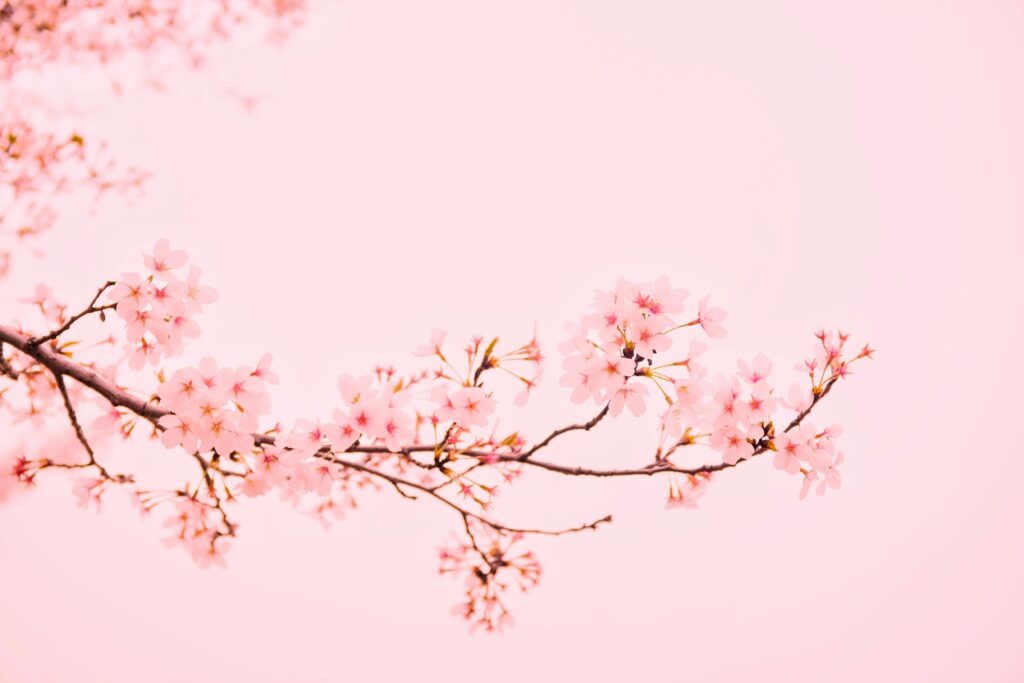
To observe the sakura is to place oneself within the grand cycle of the natural world. It is a sensory reminder that no two moments are ever the same. As you stand beneath the falling petals this season, you are not merely a spectator; you are an initiate into a quiet, thousand-year-old passion that continues to define the heart of Japan.