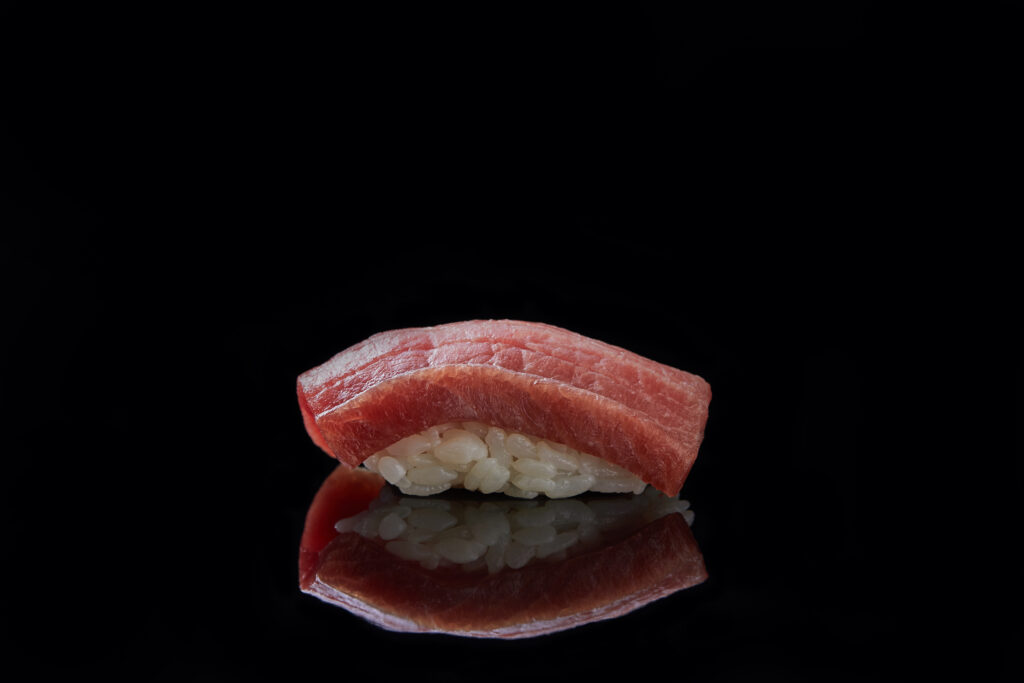
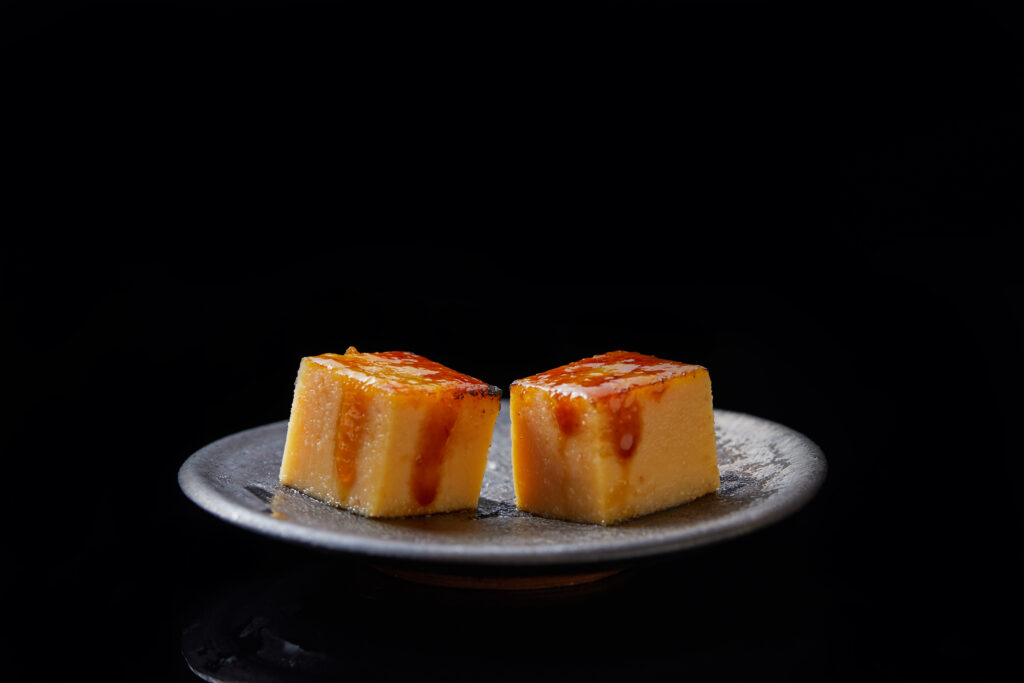
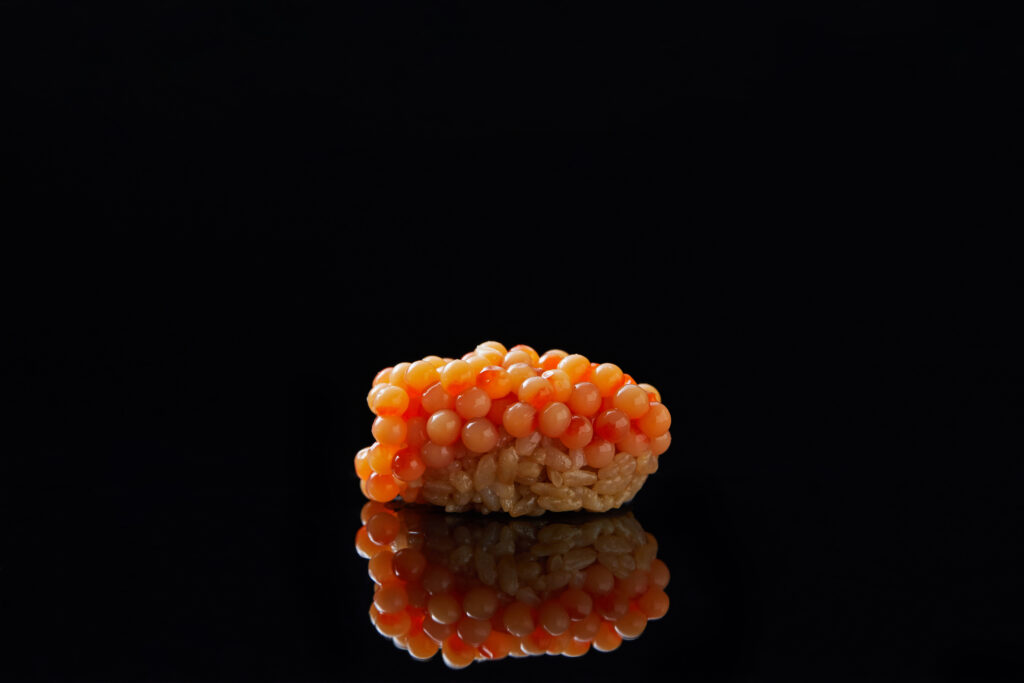
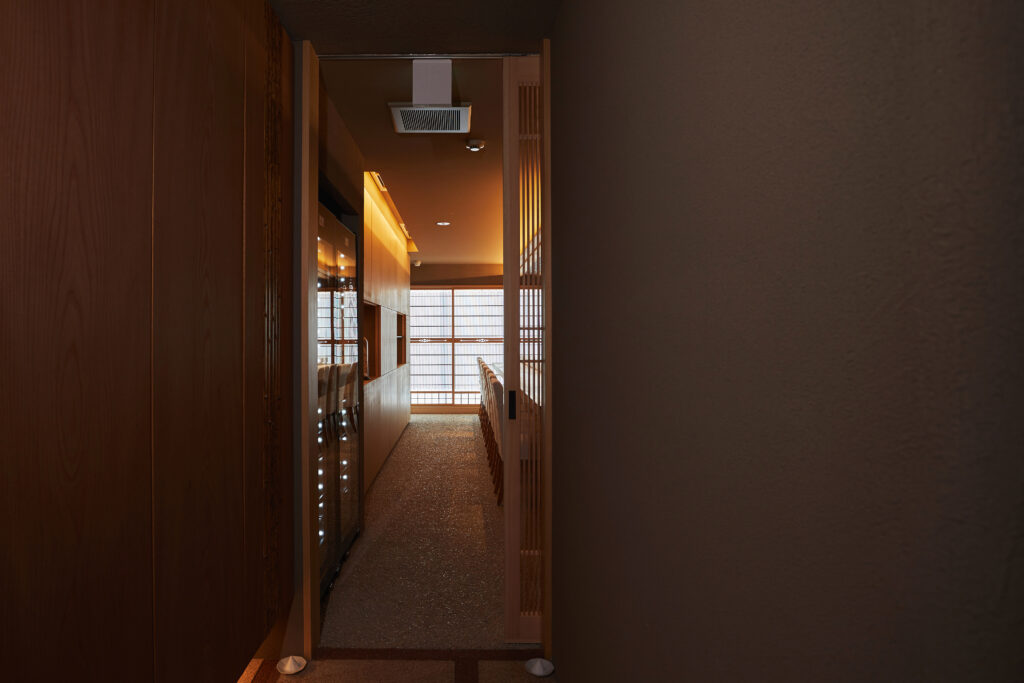
I chose Ginza as the home for this restaurant because it is a place where people from across Japan—and around the world—naturally gather. With its ease of access and its openness to all who seek it out, Ginza felt like the right setting to express the style of sushi I believe in.
Sushi, as a culinary form, has remained essentially unchanged for more than a century. That is because it was perfected long ago—refined to a point where little improvement is needed. Here in Ginza, I hope to continue honoring and preserving that timeless value.
The Chef’s Journey
My first steps in the culinary world began in the realm of traditional Japanese cuisine, training in a kaiseki and kappo kitchen. During those years of apprenticeship, my mentor once suggested, “Why not try sushi?” That simple encouragement became a turning point in my life.
Later, through a fortunate turn of events, I moved to Hong Kong, where I spent seven years serving a discerning community of gourmands. Confronting Japanese cuisine from abroad offered a new perspective on its depth and significance, and the experience became an invaluable foundation when I eventually returned to Japan to open my own restaurant.
The fundamentals of Japanese cuisine and the years of refinement overseas now converge in every piece I serve today.
Philosophy of Taste
My sushi is, quite simply, classic in the truest sense. In recent years, creative expressions of sushi—incorporating ingredients such as caviar or foie gras—have emerged, and I believe they represent one way to enjoy sushi in the modern era. Yet amid these diverse interpretations, I have chosen to remain faithful to the Edo-style tradition that has endured for more than a century.
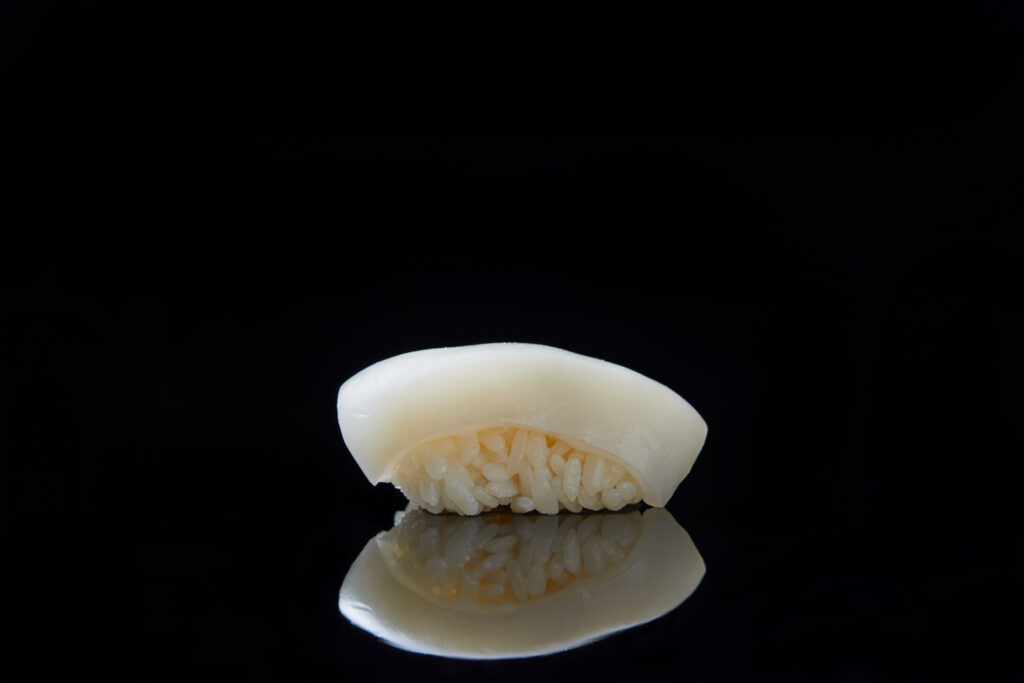
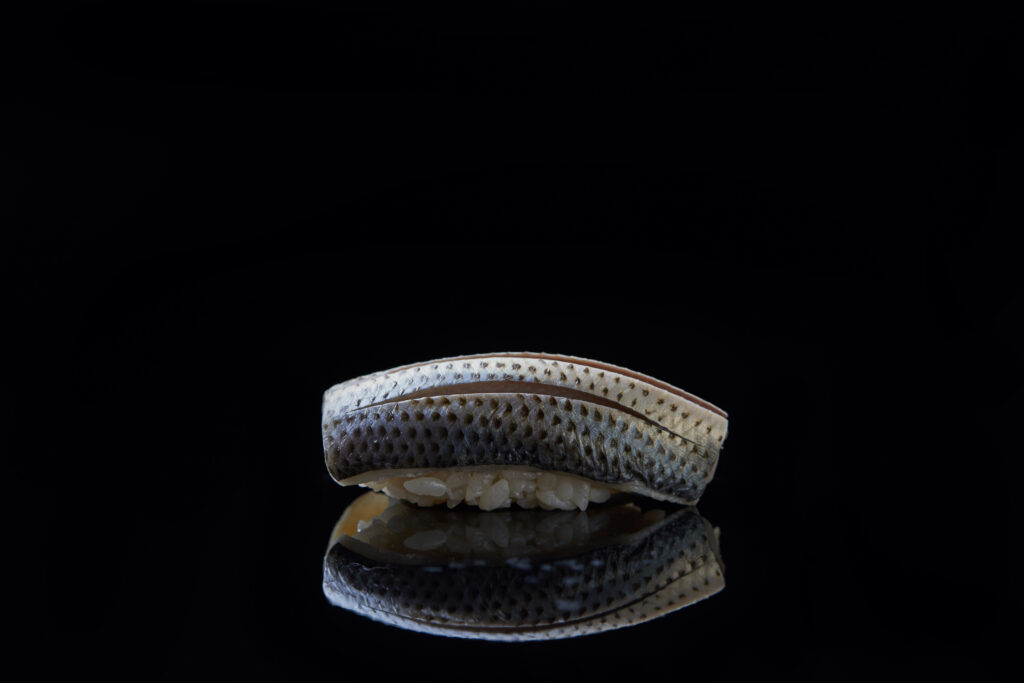
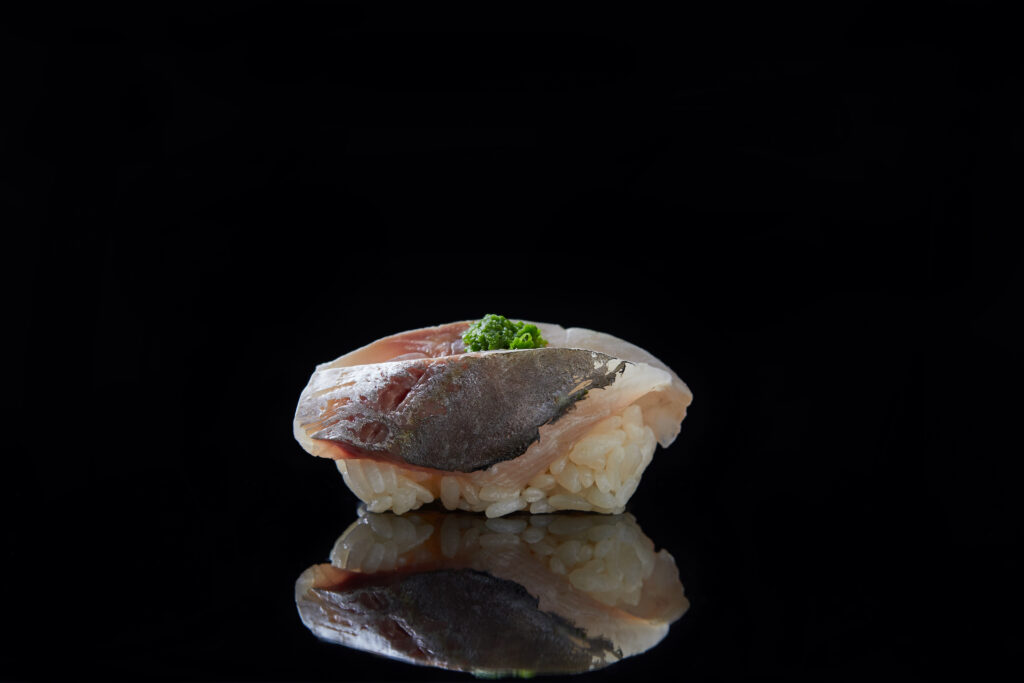
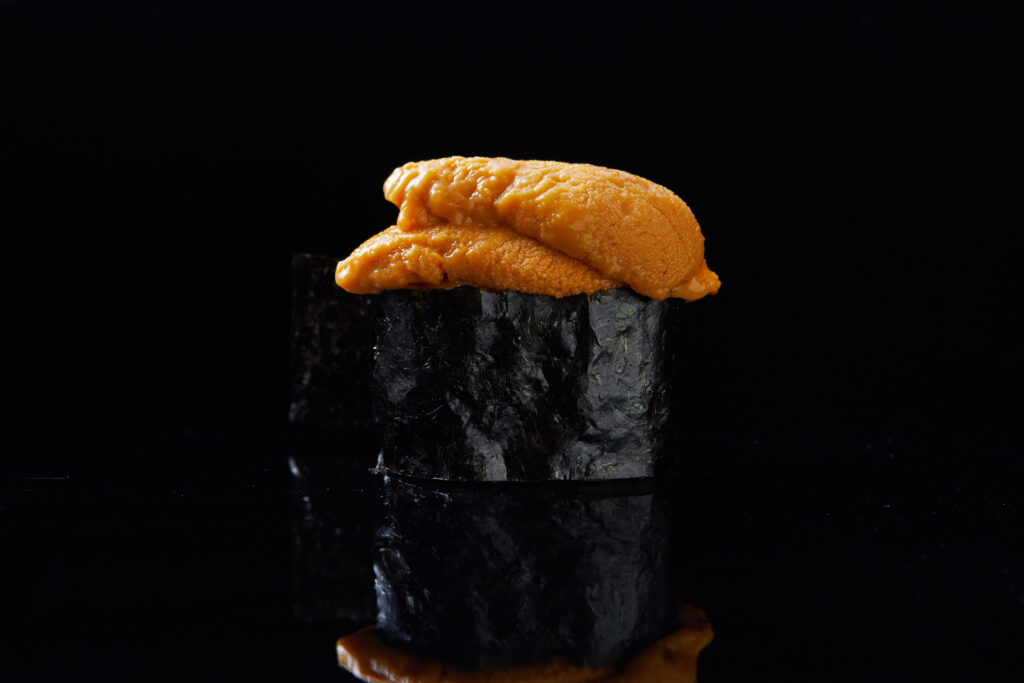
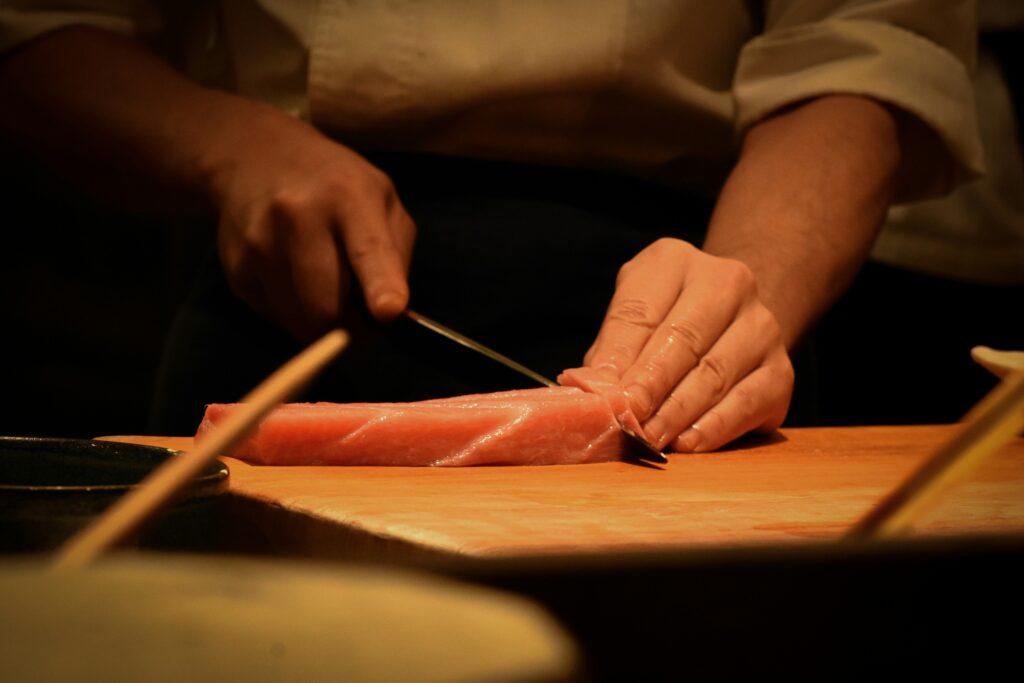
Rather than embellishing the ingredients, my aim is to reveal the inherent character of the fish through the quiet precision of a craftsman’s hands. Within a single piece lies what I believe to be the completed form of sushi.
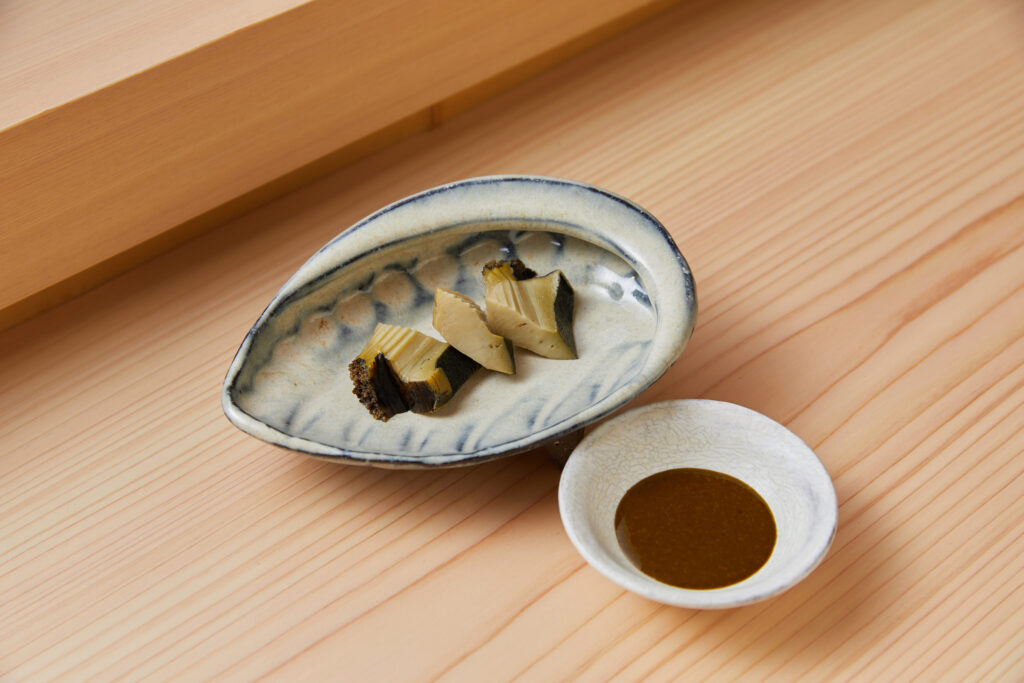
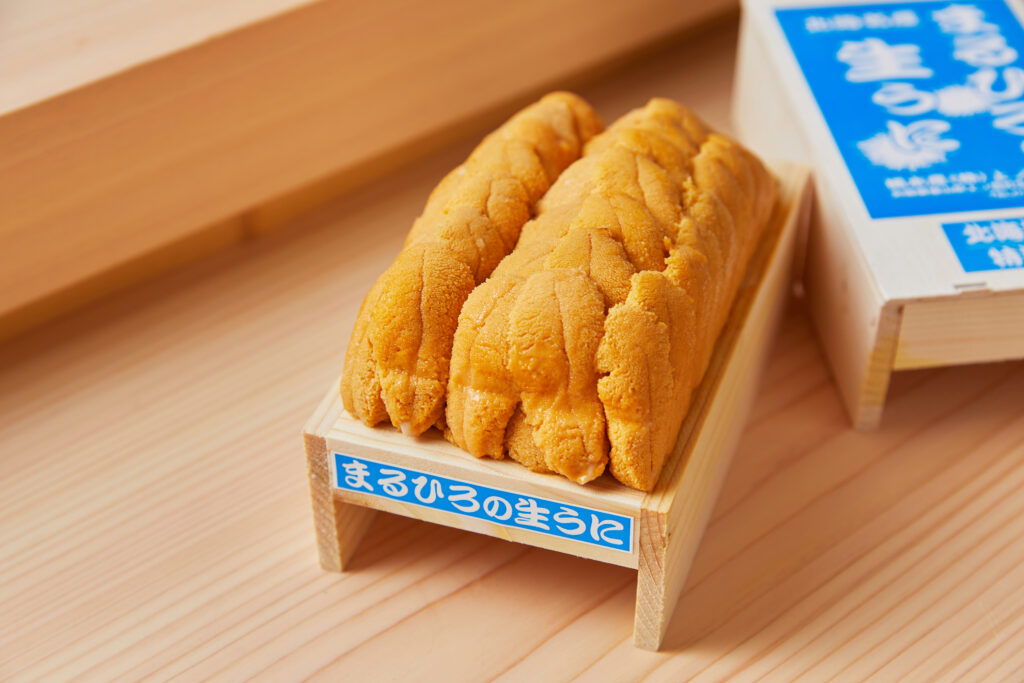
Each morning at six, I make my way to Toyosu Market to select only the fish that truly meets my standards. Abalone, in particular, is sourced from Chiba, chosen for its remarkable tenderness. The rice comes directly from a trusted farmer in Aomori, cultivated without pesticides, while the vinegar is a rare variety available to only a handful of restaurants in Tokyo.
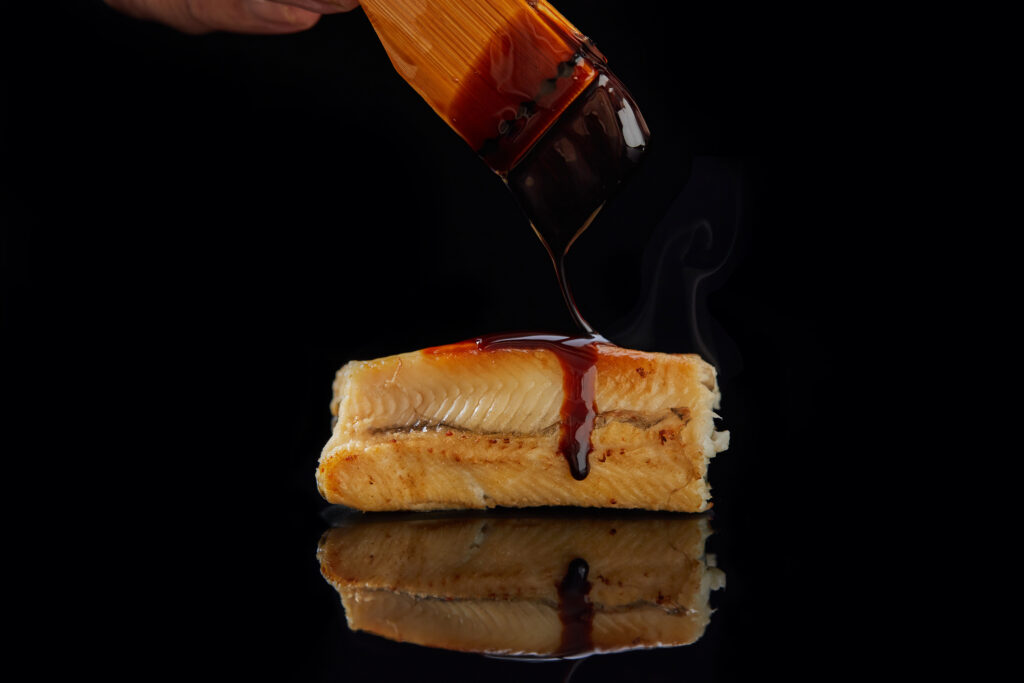
To read the condition of the fish, then to simmer, grill, or cure it as needed—never adding more than necessary, only drawing out the natural vitality of the ingredient. In every piece I serve, everything is devoted to that single pursuit.
Beyond the Kitchen
My days are devoted almost entirely to sushi, so I cannot say I have any particular hobbies. What I do value, however, is the time I spend traveling. In recent years, I have often explored different regions of Japan, sometimes journeying as far as Okinawa.
Even when I travel, I inevitably find myself drawn to the local markets. Seeing and touching the ingredients unique to each region is a quiet but essential source of inspiration—moments that continually sharpen my sensibilities as a chef.
Design and Ambience
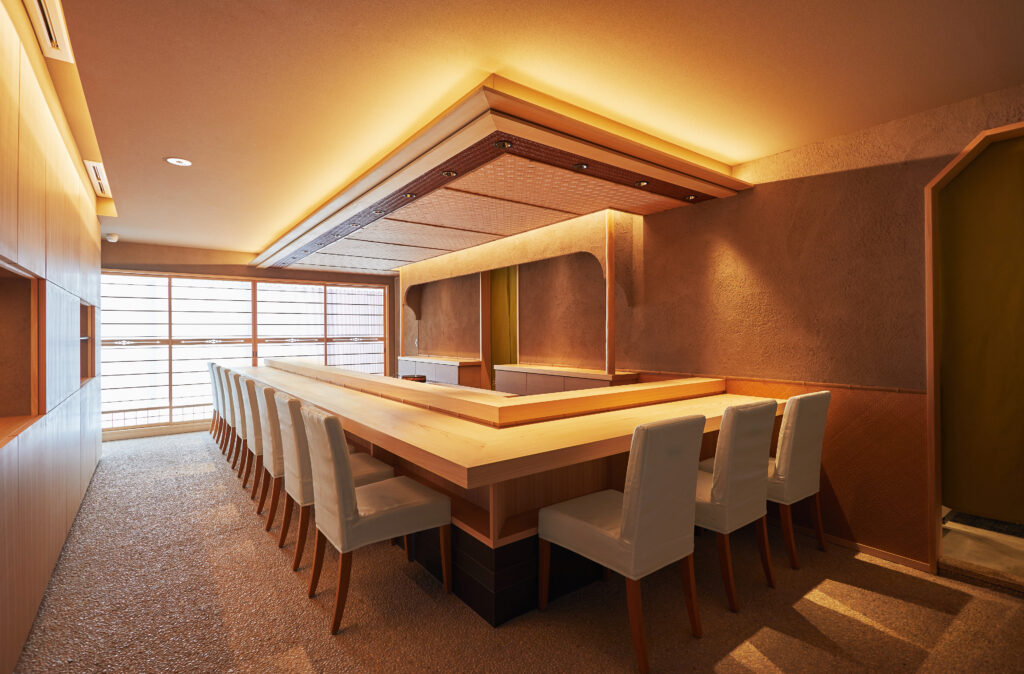
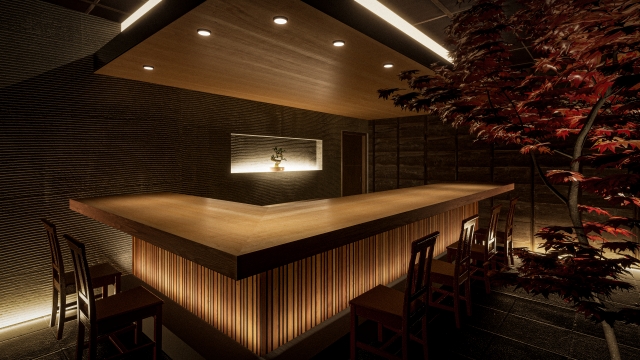
The design of the space was entrusted to a craftsman in whom I place complete trust. What we sought was not modernity, but rather the quiet dignity and weight of tradition.
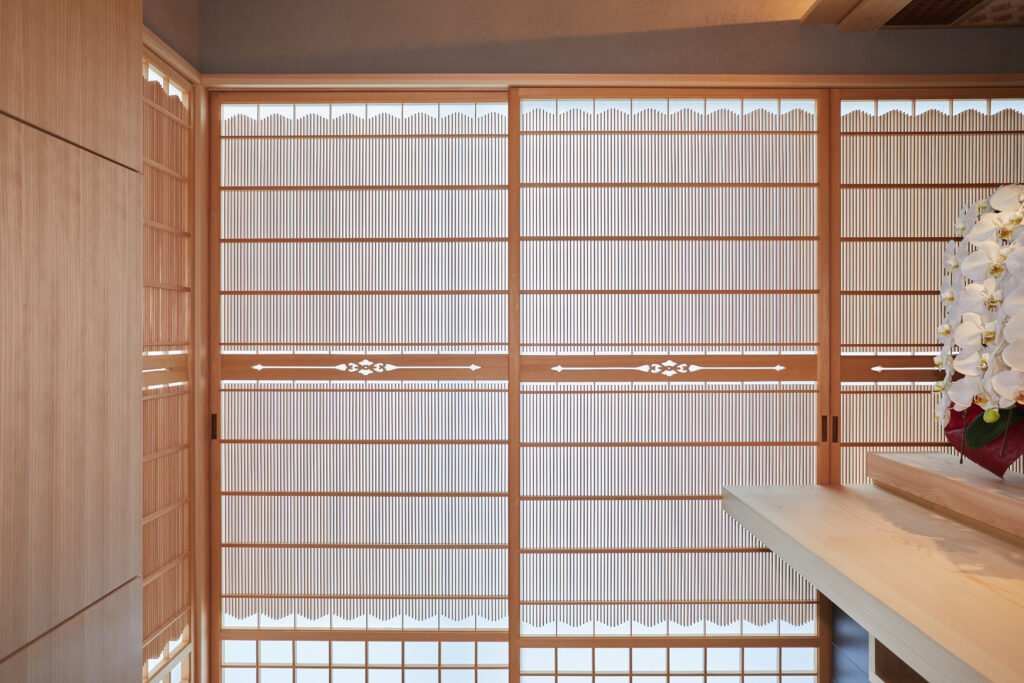
The shoji screens inside the restaurant are rare pieces salvaged from a traditional Japanese home built more than a century ago. It is said that today there are few carpenters capable of creating such delicate craftsmanship. When sunlight filters through them, the slender wooden lines and gently undulating patterns emerge with quiet beauty.
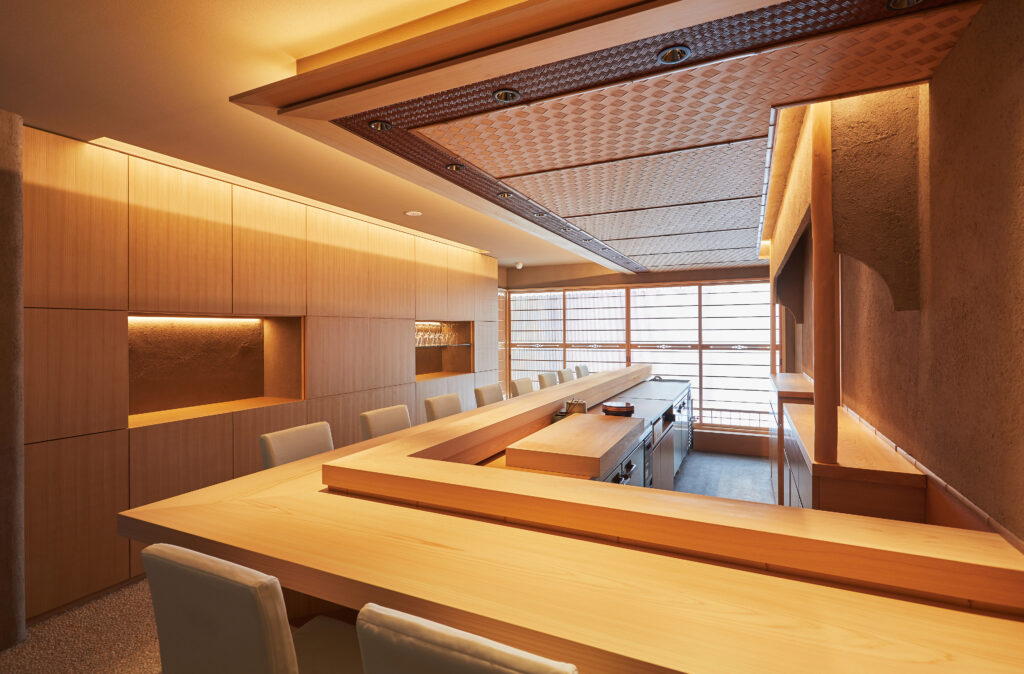
Within this space imbued with history, guests may sit at a pristine, single-slab counter of white Japanese cypress, reserved entirely for the moment. In the calm, dignified stillness of the room, I hope they will savor not only the sushi, but also the unhurried passage of time itself.
Future Vision
My guiding principle is shoshi kantetsu—to remain unwavering in one’s original resolve. And that resolve, for me, is simple: that each guest leaves truly delighted.
Just as I carefully preserve a traditional tamago recipe recorded in one of the earliest Edo-period texts—made only with shrimp and egg—I intend to continue pursuing what does not lose its value with time: a pure, uncompromising expression of sushi.
To face the finest ingredients each day with sincerity and dedication, all for the moment when a guest smiles and says, “That was delicious.” That, above all, is the vision that guides my work.
To Our Guests
Sushi, yakitori, and unagi—these are culinary traditions whose essence has remained unchanged for more than a century. The reason is simple: they embody a beauty so refined that it requires no further embellishment.
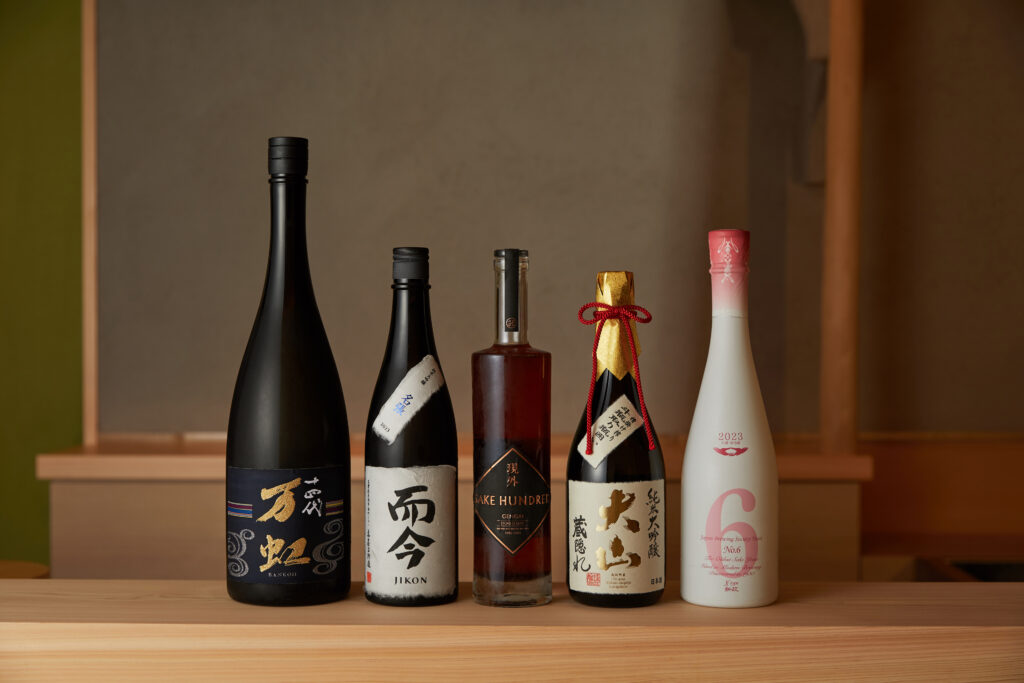
At our restaurant, we devote the utmost attention to every element, from each fish we select to every grain of rice. To accompany this classical expression of sushi, we offer a thoughtfully curated selection of sake, featuring more than thirty rare labels sourced from across Japan. Many are seasonal or limited releases, offering the pleasure of encountering exceptional brews that can be experienced only in that moment.
We also maintain an extensive selection of wines and champagnes, allowing us to recommend the perfect glass to suit your mood or preference on any given evening.
For those who seek not fleeting trends, but the quiet pleasure of what remains timeless, we warmly look forward to welcoming you.
Why It’s Worth Your Time
Passing through the noren curtain, the first thing that draws the eye is the century-old shoji screen set directly ahead. Backlit by soft daylight, its gently undulating pattern seems to carry the passage of a hundred years into the present—an image that quietly echoes the spirit of Sushi Nakamoto, where timeless values are carefully preserved.
At the pristine counter of white Japanese cypress, seasonal flowers arranged by the chef’s wife add a subtle touch of color. What Chef Nakamoto embodies is sushi as “essence”—a form untouched by the shifting tides of time. Each day he personally selects the finest fish at the market, while even the tamagoyaki follows a recipe drawn from historic manuscripts.
In every movement, Chef Nakamoto walks the classical path of Edomae sushi. The experience that unfolds here is one that feels truly worthy of Ginza.
Restaurant Information
Location ・2-minute walk from Exit 10 or 11 of Ginza-itchome Station (Tokyo Metro Yurakucho Line) ・6-minute walk from Exit A13 of Ginza Station (Tokyo Metro Ginza, Hibiya, and Marunouchi Lines) ・4-minute walk from Takaracho Station (Toei Asakusa Line)
Open daily, including weekends and public holidays. Closed on irregular holidays.
Payment Payment method: Table payment
Credit Cards: JCB / American Express / Diners Club Mobile Payments: PayPay / d Barai / Rakuten Pay / Alipay / WeChat Pay
Service Charge: 10% Cover Charge: None
Dress Code To ensure that all guests can fully appreciate the delicate aromas of sushi, we kindly ask that you refrain from wearing strong perfume.
Seating 11 counter seats · No private rooms
Smoking Non-smoking throughout the restaurant
Pets Pets are not permitted.
Parking No on-site parking. Several paid parking facilities are available nearby.
Choose Your Experience
Please note that the menu may change to reflect the freshest seasonal ingredients available.
Reservations made through Japan Vision Dining include a personal request to the chef for seating that offers a close view of the craft, subject to availability.
A refined introduction to classical Edomae sushi, featuring fish selected each morning from Toyosu Market. Composed with balance and restraint, the course highlights seasonality and clarity of flavor—an elegant yet approachable midday experience.
3 seasonal small plates, followed by 16 pieces of nigiri
An immersive Edomae sushi experience showcasing the finest selections from Toyosu Market, shaped by the philosophy of Nakamoto. Prepared with quiet precision, each piece reflects his disciplined approach, offering a deeper exploration of texture, technique, and tradition.
Seasonal small plates (5–7 selections), followed by 10–12 pieces of nigiri
A heightened omakase experience devoted to the essence of Edomae sushi, where the “orthodox path” cherished by Nakamoto is brought vividly to life. Showcasing the most exceptional selections from Toyosu Market, each piece is crafted with unwavering discipline and clarity of purpose. Stripped of excess, the course reveals the true depth of tradition—an experience for those who seek the pure, uncompromising expression of authentic sushi.
An entire restaurant, opened solely for you. Engage directly with a master chef as each dish reveals the depth of Japanese cuisine. A level of intimacy and access rarely available to the public.